WOHESC
2026 Speakers
Keynote Speakers
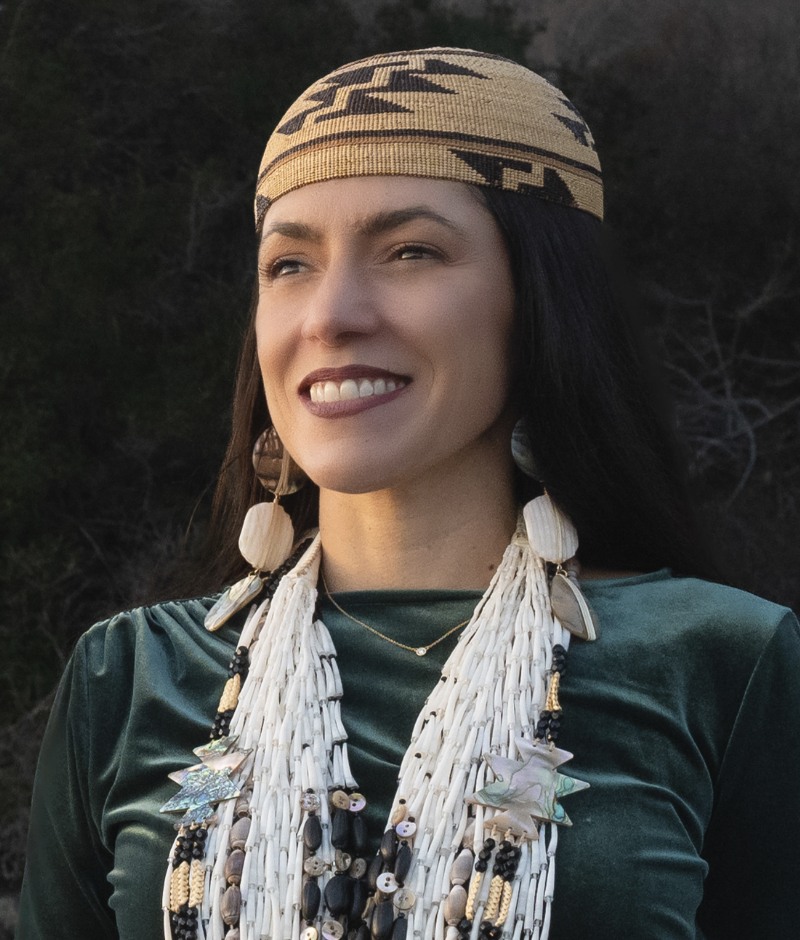
Amy Bowers Cordalis | UN Champion of the Earth, Time 100 Climate Leader; Author, The Water Remembers
Amy Bowers Cordalis is a devoted advocate for Indigenous rights and environmental restoration. A member of the Yurok Tribe and ceremony family from the village of Rek-woi at the mouth of the Klamath River, she is a fisherwoman, attorney, and mother deeply rooted in the traditions of her people. As Co-Founder and Executive Director of the Ridges to Riffles Indigenous Conservation Group, Amy leads efforts to support tribes in protecting their sovereignty, lands, and waters, including the historic Klamath Dam Removal project—one of the world’s largest river restoration and dam removal initiatives. Former general counsel for the Yurok Tribe and an attorney at the Native American Rights Fund, Amy has earned honors as a UN Champion of the Earth and Time 100 climate leader, and is the author of the forthcoming book, The Water Remembers, anticipated in October 2025.
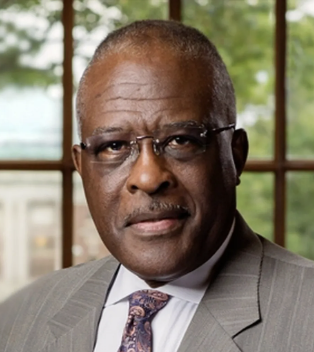
Robert J. Jones | President, University of Washington
Robert J. Jones took office as the 34th president of the University of Washington on Aug. 1, 2025. He holds a faculty appointment in the Department of Biology in the College of Arts and Sciences. Prior to leading the UW, Jones served as chancellor of Illinois' flagship university, the University of Illinois Urbana-Champaign, and prior to that as president of the State of New York University at Albany (SUNY Albany). He is a distinguished scholar whose research focuses on crop physiology, and he has served in leadership roles in national academic organizations and the Big Ten Conference.
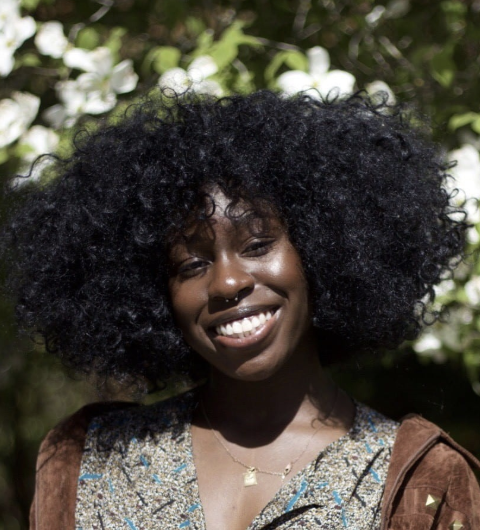
Aimée Okotie-Oyekan | Founder and Principal, Aiyé Collaborative
Aimée Okotie-Oyekan is a prayer towards more loving, healing, and earth-based ways of being. A Nigerian diasporan by way of Pasadena, MD and Metro-Atlanta, GA, the indigenous homelands of the Piscataway, Susquehannock, and Muscogee peoples, Aimée is the founder and principal of Aiyé Collaborative, a creative ecosystem of community offerings that engage artistic and cultural production, public education, and community planning as worldbuilding technologies to reconstruct power and facilitate repair with communities most impacted by colonialism, slavery, and the climate crisis. Aimée works through a lens of ancestral and diasporic Afro-indigenous belief systems to envision liberated ecological futures of collective wellness.
Plenary Speakers
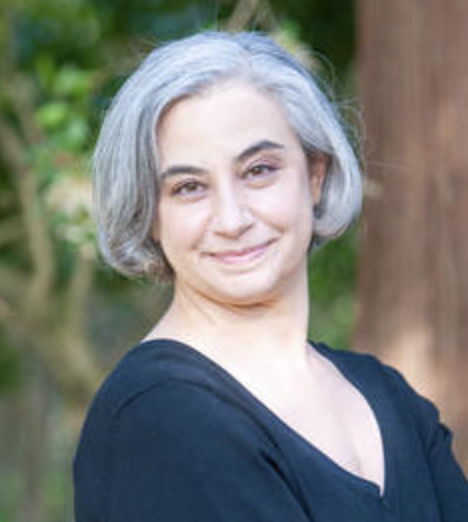
Laurie Frankel | Author, One Two Three
Laurie Frankel is the New York Times bestselling, award-winning author of five novels. Her writing has also appeared in The New York Times, The Guardian, The Washington Post, Poets & Writers, Publisher’s Weekly, People Magazine, Lit Hub, The Sydney Morning Herald, and other publications. She is the recipient of the Washington State Book Award and the Endeavor Award. Her novels have been translated into more than twenty-five languages and been optioned for film and TV. A former college professor, she now writes full-time in Seattle, Washington where she lives with her family and makes good soup.
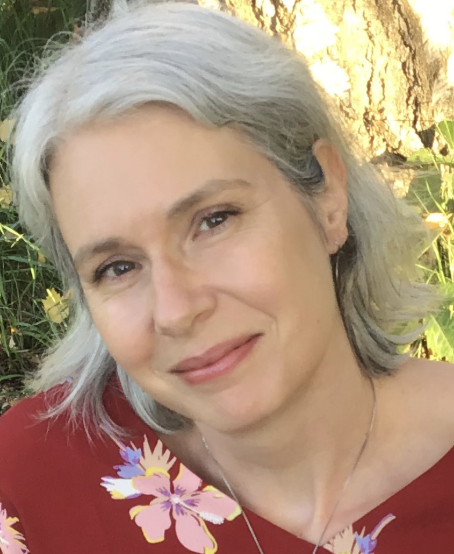
Johanna Stoberock | Author, Pigs
Johanna Stoberock is the author of the novels Pigs (Red Hen Press) and City of Ghosts (W.W. Norton). The 2019 recipient of the Artist Trust/Gar LaSalle Storyteller Award, 2016 Runner Up for the Italo Calvino Prize for Fiction, and a 2012 Jack Straw Fellow, Johanna has received residencies at the Corporation of Yaddo, the Vermont Studio Center, and the Millay Colony. Her work has appeared in the Chicago Review of Books, Lit Hub, the Best of the Net Anthology, and elsewhere. She lives in Walla Walla, WA.

Sarah Stoeckl, PhD | Associate Director, Office of Sustainability | University of Oregon
Sarah (she/her) leads the office's academic, co-curricular, and community outreach and engagement programming and team, including staff members focused on reuse and recycling and the campus natural areas program. She earned her PhD in Literature from UO and her research focused on how narratives after the First World War manifested, but failed to resolve, the conflict's trauma and grief. She has since extended that overarching curiosity about the cultural and affective consequences of rupture, change, and traumatic events to the "polycrisis" of our current world. She has trained as a facilitator and program teacher with the Good Grief Network, the All We Can Save Project's Climate Wayfinding program, and the Stanford Design School. Sarah uses these trainings frequently in her work, from classes centered on envisioning sustainable futures for all or workshops for faculty and staff focused authentic engagement and deepening of professional practice.
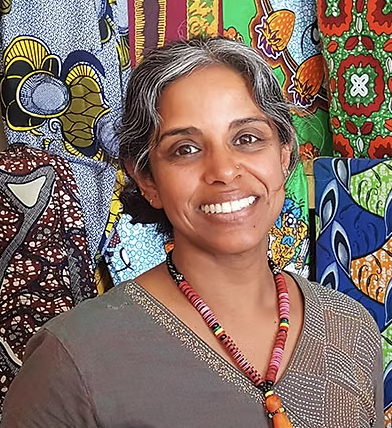
Anu Taranath | Author, Beyond Guilt Trips: Mindful Travel in an Unequal World
As the daughter of immigrants who has grown up between two cultures, I often draw on my personal experience as a way to connect with and amplify the voices of those who have historically not been heard. As a scholar and academic, I also know that racial equity work is challenging, emotional, institutional, and personal. I’ve taught about global issues, race, gender, identity, and equity to thousands of students, presented at high-profile as well as more humble events, and collaborated with social change agents and innovative thinkers around the world. I partner with clients for the long haul and strive to build inclusivity and collaboration, inviting people into conversation.
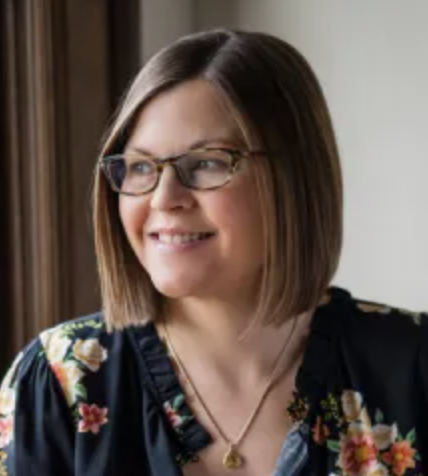
Karen Thompson Walker | Novelist and Associate Professor of Creative Writing at the University of Oregon
Karen Thompson Walker is a New York Times bestselling author of three novels, most recently, The Strange Case of Jane O., which was a Belletrist Book Club Pick and a Library Reads Pick. Her first novel, The Age of Miracles, was a finalist for the Barnes & Noble Discover Award and was named one of the best books of the year by People, O: The Oprah Magazine, and the Financial Times. Her second novel, The Dreamers, was a finalist for the Ken Kesey Award for Fiction/Oregon Book Award and was named a best book of the year by Glamour, Real Simple, and Good Housekeeping. Her TED Talk on fear and the imagination has been viewed more than 2.5 million times. Her work has been translated into 29 languages. Walker is an associate professor of creative writing at the University of Oregon and lives with her family in Portland.

Keara Monique Alonso-Lopez (she/her) | Food Equity Lead at Student Sustainability Center, University of Oregon
Keara is a first-generation, 4th year student at the University of Oregon, originally from Lake County, California. She is studying Globalization, Environment, and Policy with a minor in Geography. Keara has organized the SSC Food Equity Program for 3 years and is also working at a UO Food Security research lab. She intends to pursue a future in contributing to positive change within the systematic global issues of food insecurity.
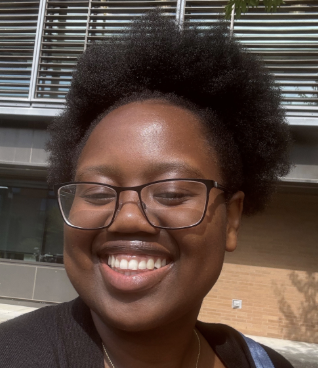
Tiyamike Chabwera | Basic Needs & Sustainability Leadership Ambassador, Portland Community College ▾
Born in Blantyre, Malawi, and now based in Portland, Oregon, Tiya Chabwera is a powerful example of resilience, intentional growth, and purpose driven leadership. She currently serves as a Basic Needs Ambassador within the Basic Needs & Sustainability Leadership Program at Portland Community College, where she advocates for student wellbeing, food security, resource accessibility, and community empowerment across multiple campuses. Tiya is pursuing her Associate's degree while preparing to transfer into a Bioengineering program, where she hopes to contribute to innovations that support health, sustainability, and community centered solutions. As an international student from Malawi, she brings a global, compassionate perspective to her academic and leadership roles.
Beyond her professional life, she enjoys creating natural self care products, exploring new places, volunteering, and cooking. Known for her authenticity, warmth, and determination, she is a voice for possibility and purpose.
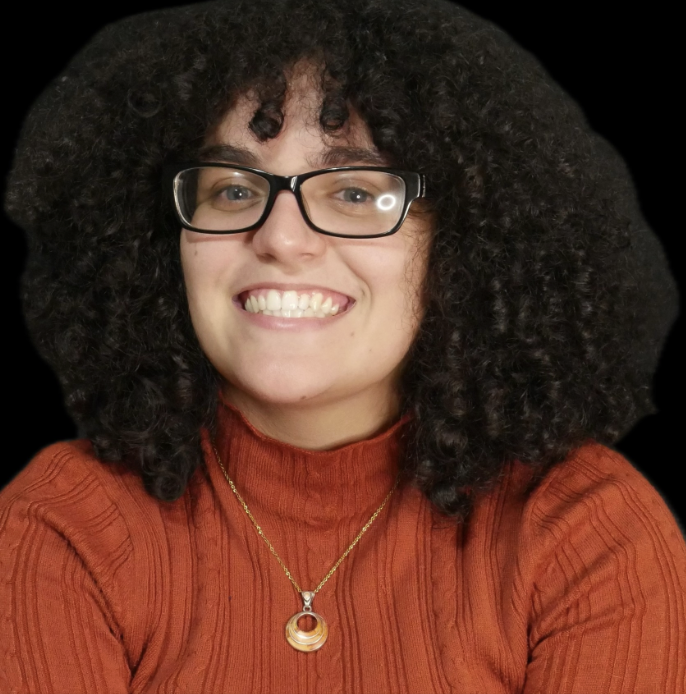
Brooke Cruz | Student Sustainability Ambassador, Central Washington University ▾
Throughout my time here at Central Washington University, my skillset evolved to be bigger than IT. My sustainability experience started with my interest in researching sustainable technology practices in Data Centers, which eventually evolved into a bigger sustainability literary review presentation for my senior SOURCE presentation. My focus on sustainability grew as I learned about the ethical issues that come with AI and Data Center facilities. I started researching the impacts of data centers around the US, and how AI will have an impact on our environmental resources sooner than we realize. This SOURCE presentation became a passion project for me and cemented my desire to bring awareness to sustainable tech practices moving forward.
With this in mind, I was inspired to join the Sustainability department as a sustainability ambassador this school year, where I can focus my year in grad school towards building my sustainability knowledge, and provide information about what sustainability is and looks like on campus and within IT. I want to be able to bring awareness to CWU of the impact of our current sustainable practices, and how we can aid in the simplest ways to help. This position in tandem with my remote position as a security and program tech lead at a startup in Auburn, WA, where I can apply my technical sustainable knowledge to industry standards through policy creation and IT reporting.
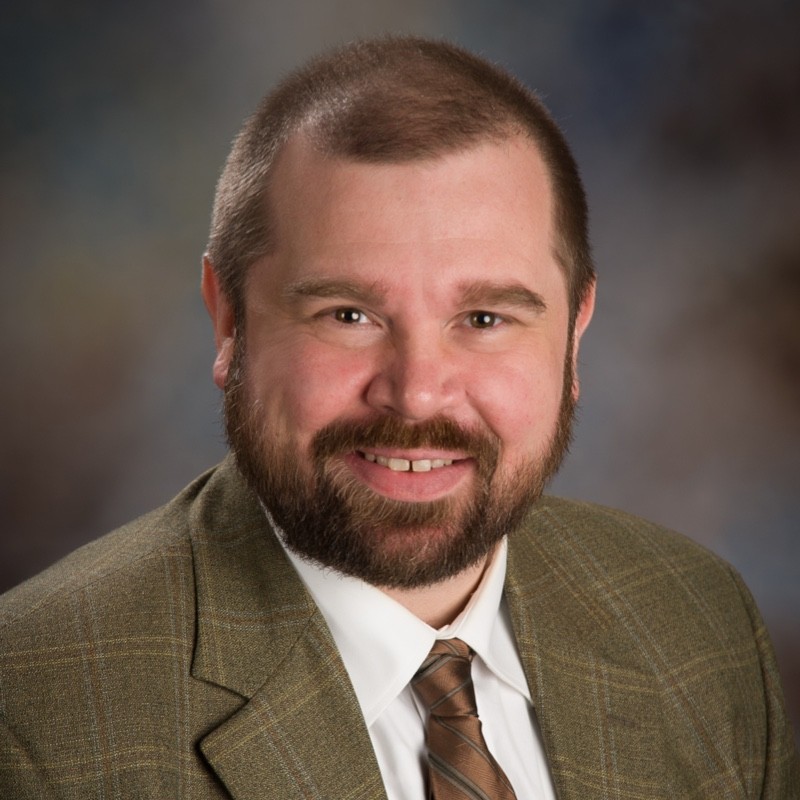
Brandon Lesowske | Assistant Director, Planning and Sustainability Office, Portland State University
Reduce, Reuse, and Recycle is more than just a catch phrase to Brandon. As a lifelong Oregonian, he believes that these 3 actions can help preserve the beauty and bounty this great state has to offer. Prior to his role as the Assistant Director of Materials Management Services at PSU, Brandon worked at Oregon Health and Science University, where he oversaw their waste reduction and recycling operations. Additionally, he is engaged in the local sustainability and planning community, where he has enjoyed volunteering his time and services with the Association of Oregon Recyclers, Cascadia Green Building Council, International Living Future Institute, and SOLVE. He was awarded his BS in Community Development at Portland State University, and is currently pursuing his master degree in the Executive Master of Public Administration Program at the Mark O. Hatfield School of Government. He also completed the Sustainability Leadership Certificate Program from the University of Oregon.
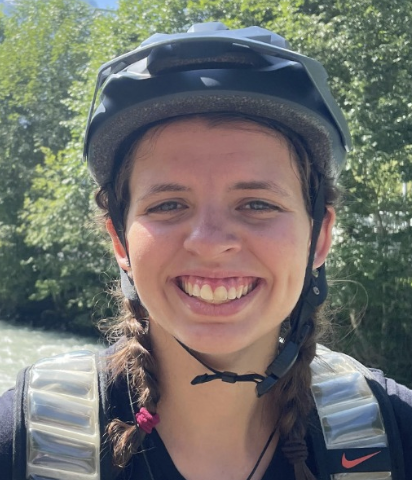
Isabella Mitchell (she/her) | Student Engagement Intern, Oregon State University
Isabella joined the office during Spring 2025. Isabella is a third year Sustainability and Public Policy major with a minor in Psychology. Isabella works with the Sustainability Council to connect students to resources for advancing sustainability objectives. When she has free time aside from school and rowing practice, she enjoys reading, exercising, and traveling!
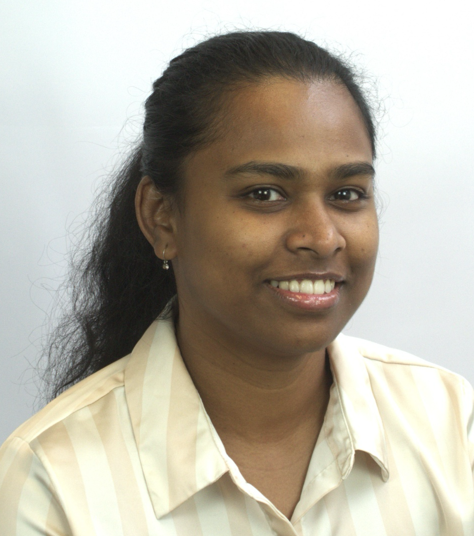
Hemalatha Velappan | PhD Candidate, University of Washington
Hemalatha (Hema) Velappan is a student leader committed to transforming higher education spaces into climate-positive environments. She co-led the successful fossil fuel divestment campaign at the University of Washington and continues to advocate for campus-wide decarbonization. A recipient of the Husky Sustainability Award, Hema has served on various sustainability-focused committees. Drawing on her experience as an environmental decision-making practitioner, she collaborates with the UW Sustainability team to advance impactful strategies for a greener campus. As a forestry researcher, she brings a deep passion for biodiversity and organized a biodiversity monitoring event on campus. She also mentors students, helping to empower emerging leaders, and foster collaborative pathways toward a just and sustainable future.
Session Speakers

Emily Adams | Sustainability Engagement & Project Specialist, University of Washington
Emily (she/her) is UW Sustainability's Project and Engagement Specialist. In her role, she focuses on devising creative ways to connect with students, staff and faculty on sustainability topics (like through HuES), managing cross-functional sustainability projects at the UW (like the Reusable Cup Program at the Alaska Airlines Arena), and developing/overseeing programs that help folks get involved in sustainability in practical ways (like the Green Office Program). She is able to focus on a variety of programs with the help of her broader team and intern, Brianna!
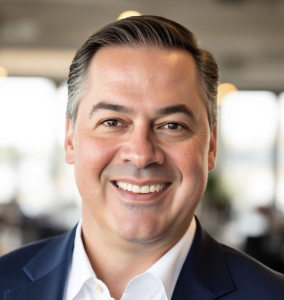
Michael Aquaro | Regional Vice President, Bon Appétit Management Company
Michael is a seasoned hospitality professional based in Seattle, Washington who oversees Bon Appetit's operations across six states in the Pacific Northwest and Rocky Mountain Region and leads a team of dedicated culinary and hospitality professionals. Michael is passionate about developing creative culinary solutions that support the well-being of people, communities, and the environment. He has expertise in café and kitchen design, excels at team development and relationship building, and is skilled at strategic planning and producing desired client outcomes. He and his team manage corporate dining cafés, higher education accounts, specialty locations, and public-facing restaurants. Before joining Bon Appétit in 2001, he worked at exclusive hotels and restaurants in the New York City area. Prior to becoming Regional Vice President, Michael held positions as Sous Chef, Executive Chef, Director of Operations, General Manager, Resident District Manager, District Manager, and Regional Manager.
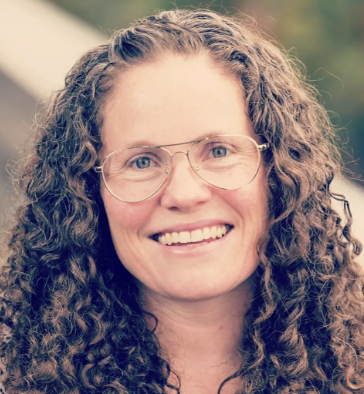
Morgan Barker | Sustainability Librarian, Cal Poly Humboldt
Morgan Barker (she/her/hers) holds a BA in Recreation Administration, an MBA, and an MLIS. Morgan has led outdoor adventures, taught college courses, and worked in global manufacturing/design, while thoughtfully considering the nuance of sustainability elements throughout. Morgan now works as the Sustainability Librarian at Cal Poly Humboldt, where she supports the campus in nurturing sustainability research and curriculum. Morgan led efforts to attain a Sustainable Library Certification with the Sustainable Libraries Initiative. Morgan’s favorite project is being able to sit on the SHIFT (Sustainable Humboldt Innovative Futures Trust) committee - a place where student fees are distributed by students to fund campus sustainability projects. Morgan loves cold plunging in the crisp waters of the Pacific Ocean, enjoying time with her family and dogs.
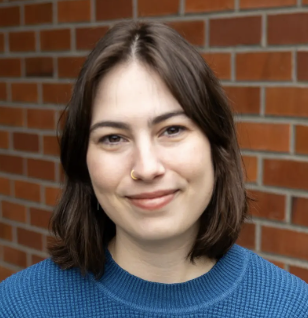
Gwen Bartholomay | Zero Waste Program Coordinator, University of Washington
Gwen works to prevent waste through innovative and community driven solutions. At UW, she focuses on building reuse systems across campus whether that’s supporting the Alaska Arena reusable cup program, organizing repair and mending fairs, managing thrift swap events and donation drives, or exploring the feasibility of new technology like washable HVAC filters. Before joining UW, she managed recycling operations at federal wildfire logistics camps, lead corporate campuses through GBCI TRUE certification, and established a reusable cup exchange network across coffee shops in Seattle.
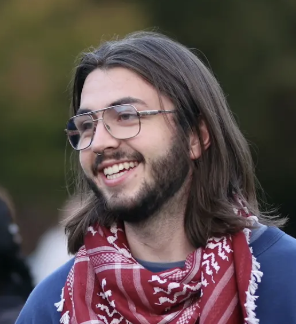
Valentine Bentz | Grove Community Garden Coordinator, University of Oregon Student Sustainability Center
Valentine is a fifth-year student at the University of Oregon studying Indigenous, Race and Ethnic Studies. He helps coordinate the UO Student Sustainability Center’s Grove Community Garden and is the editor of A People’s Guide to the University of Oregon, a guidebook which interrogates the complex interplay of people, place and power at the UO. He is particularly passionate about building place-based communities that can support our needs while outgrowing the systems we organize against.

Brianna Blanchard | Student, University of Washington
Brianna Blanchard is a fourth-year Environmental Public Health student and an intern with UW Sustainability. Throughout the 2025-26 academic year she has supported UW Sustainability's Reusable Cup program in partnership with UW Athletics, along with initiatives such as the Green Labs program, the Husky Sustainability Awards, and the Green Office program. Previously, Brianna held roles with the Washington NASA Space Grant Consortium, UW EarthLab, and the UW Office of Undergraduate Research, where she combined science communication and interdisciplinary storytelling with the goal of making complex topics more accessible. Overall, she is passionate about contributing to a campus culture that makes sustainable choices more visible and lasting.

Sylvia Blodorn | Sustainability and Resilience Program Coordinator, Gonzaga University
Sylvia Blodorn is the Sustainability and Resilience Program Coordinator at Gonzaga University. A recent graduate of the University of Montana, she is passionate about environmental conservation and advocacy, which led her to higher education sustainability. Sylvia also has a diverse background of previous experience working as a Lead Educator with SpectrUM Science Center and a Conservation Lands Attendant with Missoula Parks and Recreation. She has spent time working with project development and resiliency through her time so far at Gonzaga, specifically through her current work organizing sustainability leadership programs for Gonzaga students, staff, and community members. In her free time, Sylvia enjoys birdwatching, crocheting, and competing in timbersports events!
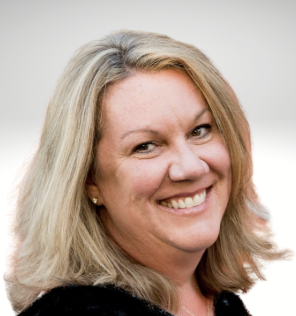
Terri Brownlee, MPH, RDN, LDN | Vice President of Food Education and Wellness Bon Appétit Management Company
Terri Brownlee is a nationally recognized leader in culinary nutrition, wellness strategy, sustainable food systems, and food allergen management. She serves as Vice President of Food Education and Wellness at Bon Appétit Management Company, where she provides vision and leadership for wellness, food literacy, and nutrition innovation for Bon Appétit-served colleges, businesses, and cultural institutions nationwide. Terri leads a multidisciplinary team of registered dietitians and chefs providing subject matter expertise and functional support across all Bon Appétit locations. As a team, they advance innovative approaches to menu transparency, food education and literacy, guest engagement, plant-forward culinary strategy, and industry-leading food allergen management. Together, Terri and team work to find creative, science-based, and realistic approaches to how café offerings and guest engagement help to promote well-being.
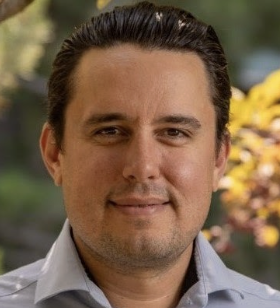
Jeff Bousson | Sustainability Director, Central Washington University
Jeff Bousson leads and oversees the Office of Sustainability at Central Washington University (CWU). Having earned a master’s degree in Climate Science and Solutions from Northern Arizona University, Jeff is responsible for the strategic implementation of CWU’s Climate Action Plan and campus-wide sustainability initiatives. Jeff and his team work to produce environmentally, socially, and economically sustainable outcomes in partnership with the campus and local community.

Lexi Brewer | Director of Sustainability, University of Puget Sound
Lexi (she/her) joined the University of Puget Sound in 2022 and currently directs campus sustainability efforts, including university climate action and goals, waste reduction, and outreach and engagement around sustainable living. She is interested in climate policy, climate adaptation and resilience, and integrating sustainability into urban life. A native of the PNW, Lexi lives in Tacoma, WA, and enjoys reading, karaoke, gardening, and riding around on her e- bike.
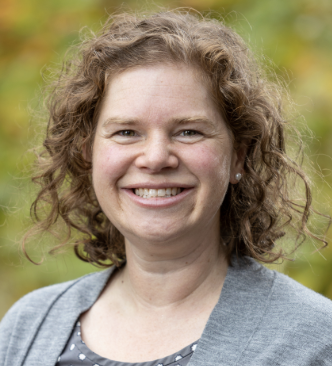
Lauren Brohawn, M.Ed. | Associate Director, University of Washington Buerk Center for Entrepreneurship Manager, Environmental Innovation Challenge
Lauren Brohawn is the Associate Director for the Buerk Center for Entrepreneurship in the Foster School of Business at the University of Washington. As manager of the Environmental Innovation Challenge, Lauren has given a platform to hundreds of student entrepreneurs to showcase their innovative solutions to climate-related problems and earn the funding and support to become early-stage ventures. Lauren is also known for her extensive education-focused work in the areas of representation, equity, and sustainability and is a lifetime advocate for solving climate-related issues. She has held prior roles as a Waste Zero Specialist and Conservation Policy Coordinator, among others. Lauren earned a Master of Education from UW and a Bachelor of Science degree in Wildlife Conservation from the University of Delaware.
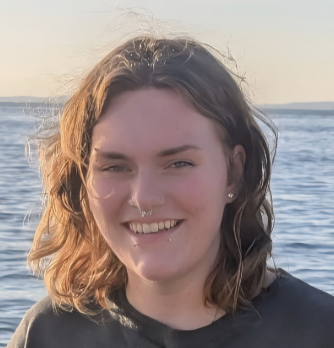
Liz Burt | Student, Central Washington University
Liz is a fourth-year student at Central Washington University majoring in Entrepreneurship and minoring in Sustainability. They have been working on a sustainability project for the CWU campus to help make gender neutral restrooms more accessible to the students, faculty, and visitors.
Hannah Campbell | Student Sustainability Ambassador, Central Washington University
Hannah is a 4th-year undergraduate student at Central Washington University, majoring in Natural Resource Management, and serving her second year on the Sustainability team as a Student Ambassador. She primarily works to educate the student body about sustainable living, advocate for the well-being of the campus community and the environment, and organize events to help students get involved in creating change. Hannah’s passions revolve around ecological conservation, and she is an officer on the CWU Environmental Club and Geography Club.
Ada Contreras Vasquez | Co-Lead, Waste Reduction and Reusables Program, University of Oregon Student Sustainability Center
Ada is an Environmental Studies major pursuing a Bachelor of Science at the University of Oregon. As a first year student worker with the Student Sustainability Center, she’s most excited about bridging communities with sustainable resources and creating meaningful, collaborative change.
Yolanda Cieters | Associate Director of Sustainability and Acting Director, Center for Environmental Justice and Sustainability (CEJS), Seattle University
Yolanda joined Seattle University in 2015 where she manages the institution’s sustainability initiatives and directs the Center for Environmental Justice and Sustainability (CEJS). In this role, she works with faculty, staff, students and community organizations to assess, measure, plan, and improve SU’s climate action and sustainability performance and impact. Since 2022, Yolanda serves as co-chair of Seattle University's Laudato Si Action Platform (LSAP). Yolanda is a graduate of the "Vrije Universiteit Brussel (VUB)" (Brussels, Belgium) with a Masters in Contemporary History, specializing in Immigration studies, and a Masters in International Humanitarian Aid from the "Université Catholique de Louvain" (Louvain-la-Neuve, Belgium). She also holds a post-masters degree in Teaching.
Sadie Creemer | Program Coordinator, UO Student Sustainability Center
Sadie Creemer has been with the Student Sustainability Center for three years, first as a student staff and now as a professional staff member. She first served as the Leadership and Engagement Lead connecting students with volunteer opportunities. Now she is the Program Coordinator and supports event planning, volunteer opportunities, and services that the center provides to the student body.
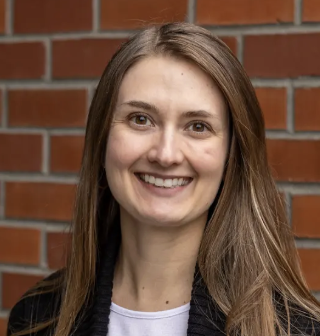
Amanda Dassoff | Marketing & Outreach Specialist, UW Building Services Department
Amanda Dassoff supports communication efforts for the University of Washington Building Services Department, primarily working with UW Recycling. For the past six years, Amanda has designed the University’s waste signage, spearheaded the UW’s Trash Art Contest and promoted UW Recycling’s student moveout program. She’s passionate about accessibility and making complex information understandable for everyday audiences. Amanda holds a bachelor’s degree in Communication from Pacific Lutheran University and a master’s degree in Strategic Communication from Washington State University.
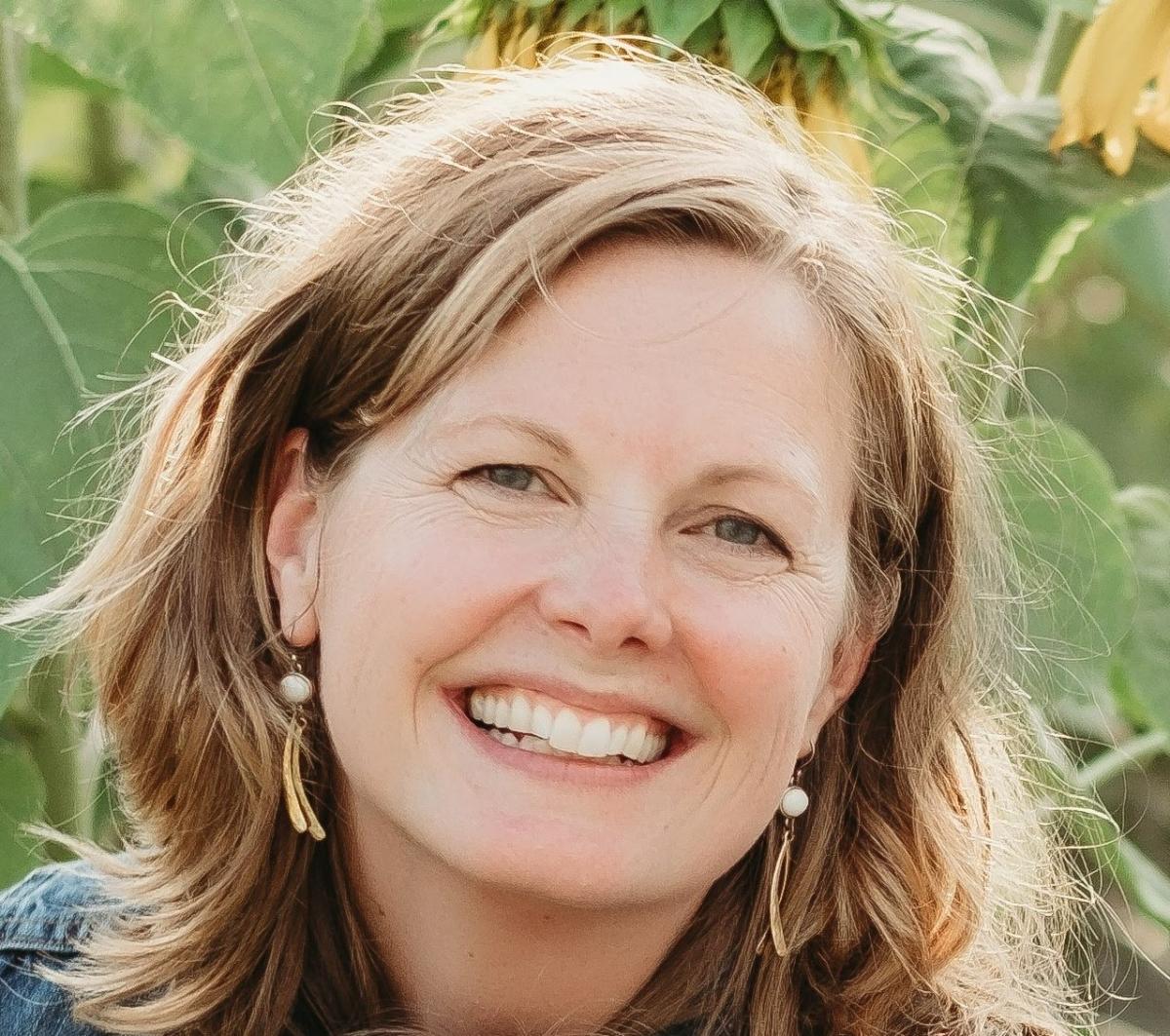
Lisa Dulude | Director or Sustainability, University of Washington
Lisa comes to the University of Washington from Snohomish County, where she served as the county’s Energy and Sustainability Manager for the last 12 years. At Snohomish County, Lisa led a team of eight staff in the county’s Office of Energy and Sustainability, overseeing climate action and sustainability planning, energy and resource conservation programs, the Weatherization Program, Energy Smart Loan Program, and Savvy Septic Program. Lisa holds a bachelor’s degree in Environmental Studies from Bates College in Lewiston, Maine, and a master’s degree in Urban Design and Planning (UDP) from UW and is a certified Sustainable Building Advisor (SBA). As part of UW Facilities Sustainability Team, Lisa is looking forward to collaborating with UW students, faculty, staff, and the community to help lead innovative and equitable solutions around sustainability.
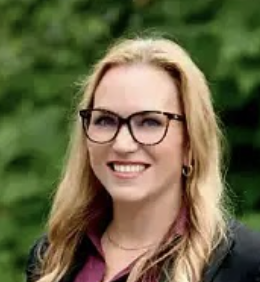
Amy Dvorak | Director of Sustainability, Lewis & Clark College
Amy is the Sustainability Director at Lewis & Clark College and teaches Sustainability for the Bates Center. She has an educational background with a BS in Environmental Science from Oregon State University, a BA International Studies in Environmental Science from Oregon State University and a Masters of Environmental Management from Portland State University. She leads the Sustainability Office which provides Lewis & Clark students with opportunities to learn, grow, and serve our community and region in an effort to build a more livable world. Through internships, service learning, workshops, and events, students are able to develop a variety of skills to support them in a life of learning and civic leadership.
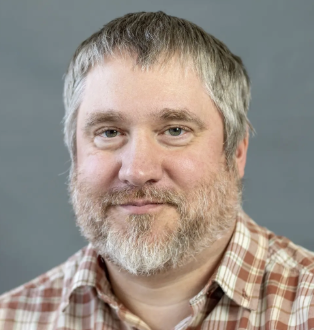
Daimon Eklund | Communications Manager, UW Sustainability
Daimon (he/him) has led UW Sustainability's communication efforts since 2014. He enjoys fostering collaboration around sustainability on campus, and working with students who bring innovative ideas to improve sustainability at UW. Daimon has a Bachelor's of Journalism from the University of Missouri and a masters degree in Communication Leadership from the UW.
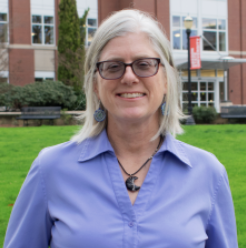
Beth Filar Williams | User Experience Research Librarian, Oregon State University
Beth Filar Williams is an Associate Professor and User Experience Research Librarian at Oregon State University Libraries, with more than 25 years of experience in many types of libraries and locations. She applies this experience and an evergreen curiosity to understanding our users' needs, connecting people, and empowering libraries as societal strongholds. She co-founded ALA’s Sustainability Round Table, is an elected member of IFLAs Environment, Sustainability and Libraries Section, and continues active involvement across her campus in carbon reduction and sustainable practices. She earned her MLIS from the University of Maryland iSchool and BA in Geography from the Johns Hopkins University.

Julie Fisk | Senior Manager, Gates Foundation
Julie brings 15 years of experience as a strategist, program leader, and change manager across the public, private, and philanthropic sectors. She currently works at the Gates Foundation, where she supports large-scale strategy, planning, and organizational change efforts, advising senior leaders on strategy and operational excellence. Previously, she held senior roles at Starbucks, Amazon, and Kotter, Inc., where she created transformational employee engagement programs, scaled a global early-career talent program supporting more than 2,500 interns, and coached organizations through complex changes. Prior to her work in the private sector, Julie developed and managed programs at the University of Washington in Seattle. Julie holds a BA in International Relations from Southern Methodist University and an MA in Social Resilience & Policy Analysis from the University of Washington, and she’s a certified Prosci Change Practitioner with a Lean Six Sigma Green Belt.
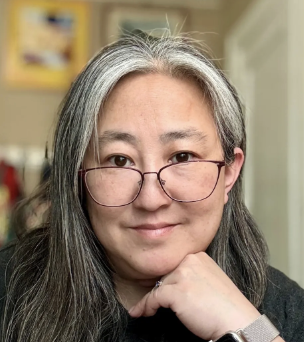
Stephania Fregosi | Sustainability Analyst, Portland Community College
Stephania Fregosi (she/her), got into sustainability as a result of childhood experiences that included resource conservation, a love of all marine creatures, international travel, a high school semester at a farm in Vermont, and a concern for human rights. As the Portland Community College Sustainability Analyst, Stephania handles sustainability reporting, conducts policy and program research, and provides other program support. Stephania earned her Masters of Studies in Environmental Law from the Vermont Law School and her Bachelor of Arts in Environmental Studies from Oberlin College. She recently completed her term as the President of the Board of the Association for Advancement of Sustainability in Higher Education, where her focus was on thinking critically about integrating social justice into our work.
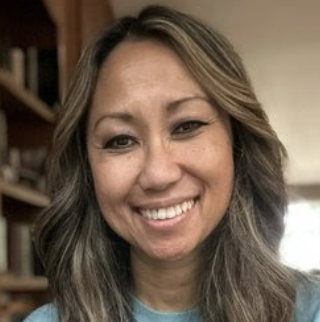
Claudia Frere-Anderson | Sustainability Manager, Data & Reporting, Environ Energy
Claudia Frere-Anderson is a seasoned sustainability practitioner with a proven track record of driving transformative change across higher education, corporate, and consulting sectors. She currently serves as Sustainability Manager for Data & Reporting at Environ Energy leading the team that helps organizations navigate complex ESG frameworks, enhance transparency, and deliver credible sustainability disclosures. Claudia first joined Environ in 2021 as a consultant, leveraging her deep expertise to guide clients through sustainability strategy and reporting before transitioning into her current leadership role.
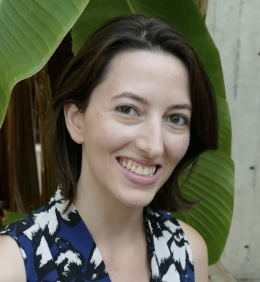
Liz Gignilliat | UW Recycling Manager, University of Washington
Liz Gignilliat, Program Administration Manager of UW Recycling, has worked at the University of Washington since 2014. She specializes in the recycling and solid waste department's process improvements, data collection and reporting, and program management. She graduated from Georgia State University with a B.A. in Anthropology, where her studies focused on consumption and material culture, globalization, and visual culture.
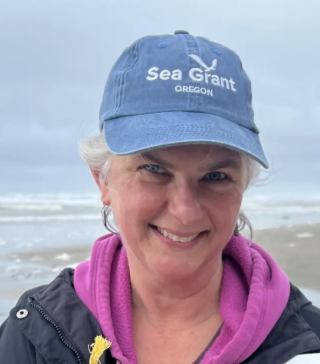
Cait Goodwin | Special Projects Coordinator, Oregon Sea Grant
Cait Goodwin has been a member of the Oregon Sea Grant marine education team for more than 20 years. She is based at Oregon State University’s Hatfield Marine Science Center in Newport, Oregon where she uses place-based and hands-on activities to help people of all ages learn about topics such as healthy ecosystems, coastal hazards, and marine debris prevention. Cait runs marine science-focused teacher professional-development workshops, develops and leads K-12 lab and field programs, supports student STEM events, and is the creator and coordinator of the popular Oregon Coast Quests program. In addition, she co-leads the HMSC Green Team which is a group of faculty, staff, and students who work to advance environmentally sustainable practices at Hatfield.
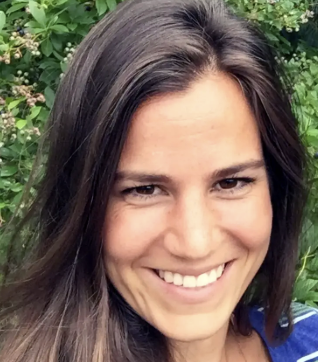
Elissa Gordon | Associate Director, Sustainability Office, Bellevue College
Elissa is the Associate Director for the Office of Sustainability and has been with the college for 6 years. Her background is in natural resource conservation, with a focus on wildlife research, and she holds a degree in Environmental Science. She has previously worked at the state, federal, and local non-profit levels on various conservation projects. Researching and observing human-caused impacts to the environment, fostered a deep passion for sustainability and she enjoys helping BC strive towards its carbon neutrality, environmental, and climate justice goals. Elissa has worked at all three national parks in Washington State and in her free time, you can find Elissa exploring the outdoors with her dog and husband.
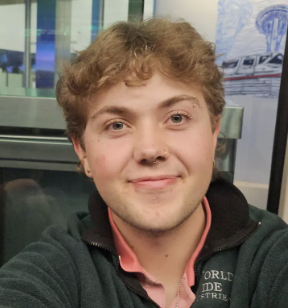
Kasey Gratz | President, Waste Sustainability Club, Oregon State University, Oregon State University Waste Sustainability Club
Kasey Gratz (they/he) is a fourth-year chemical engineering student at Oregon State University with a minor in computer science. Originally from Louisville, Colorado, Kasey has been a driving force behind student-led sustainability projects on campus. They first joined OSU’s sustainability community as an Eco Representative, focusing on peer education and outreach on waste reduction. After serving as the Waste Sustainability Club’s marketing officer, Kasey moved into the presidential role, leading the club for the past year and a half. In this position, they have expanded campus-wide initiatives, including a library composting program and a series of repair fairs developed for student collaboration with community mentors. Their work centers on building hands-on, intergenerational repair opportunities that empower students, strengthen community connections, and inspire long-term sustainability leadership.
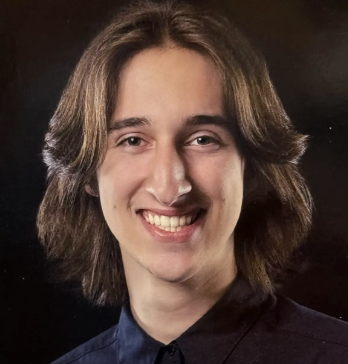
Harrison Greenberg | Lead Co-Chair, Huskies for Equitable Sustainability (HuES)
Harrison Greenberg is a freshman at the University of Washington where he is pursuing a degree in Environmental Studies. He grew up in Coppell, Texas, where his love of nature led him to join scouting and achieve the rank of Eagle Scout. Harrison is passionate about protecting and preserving our environment for future generations, and looks forward to merging his enthusiasm and prior experiences with the new knowledge and skills he is acquiring as a member of the UW community.
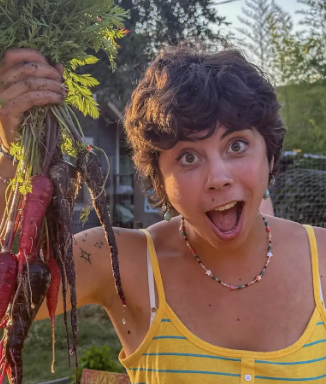
Ella Hayden | Grove Garden Community Engagement and Outreach Coordinator, University of Oregon
Ella hayden is the Community Outreach and Engagement Coordinator for the Grove Community Garden and a senior at the University of Oregon, studying Indigenous, Race, and Ethnic Studies. The work focuses on community-based sustainability, BIPOC accessibility, and the dismantling of systems of oppression that shape environmental and food systems. Through this role, the campus community garden has become a more connected and inclusive space, fostering participatory relationships with historically marginalized communities, including the Black Cultural Center and other campus orginizations. This approach to sustainability centers equity, collective care, and actively opposing white supremacist culture as essential to building resilient communities.
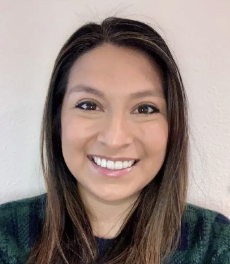
Azalea Hermann | Fellowships and Workforce Development Specialist, Washington Sea Grant
Azalea Hermann is a Fellowships and Workforce Development Specialist at Washington Sea Grant, where she supports competitive coastal and marine fellowship programs that expand access to professional opportunities, strengthen workforce pathways, and build capacity within the environmental and marine science fields. A born-and-raised Texan, Azalea has called the Pacific Northwest home for the past seven years. She holds dual bachelor’s degrees in Marketing and Speech Communications from St. Mary’s University in San Antonio, Texas, and brings a multidisciplinary background spanning Operations, Project Management, and Marketing across the tech, retail, and energy sectors.
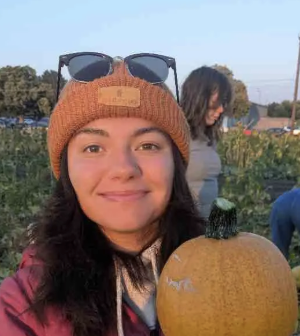
Caydence Hesch | Student Sustainability Ambassador, Central Washington University
Caydence is a 4th-year undergraduate student at Central Washington University majoring in Environmental Studies. It is her first year working as a Student Ambassador on CWU's Sustainability team. She has previously worked as a Student Assistant at CWU's Wildcat Farm and in Adventure Programs at CWU's Recreation department. She works to engage the student body in sustainability at Central through initiatives, events, and outreach. She is most passionate about making sustainability accessible for people from all walks of life.

Sara Holzknecht | Director, Sustainability Office, Bellevue College
Sara Holzknecht came to Bellevue College with a deep background in business and non-profit management. Following a decade operating a local boutique winery, Sara shifted her focus from winemaking to addressing climate and environmental challenges. Most recently, she ran the Washington State campaigns for Oceana, an international ocean conservation NGO, where she worked to address plastic pollution, offshore drilling, and build sustainable fisheries at the state, federal, and local levels. Prior to her work with Oceana, she co-founded local climate advocacy non-profit 350 Eastside, where she organized local decarbonization efforts and community education. She holds a Master’s in Energy and Climate Policy from Johns Hopkins University and a Bachelor’s in Business Administration from the University of Washington, Bothell.
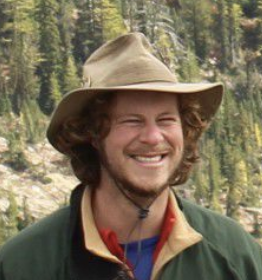
Theodore Hoss | Campus Tree Tour Curator, University of Washington
Theo is an alum of the University of Washington School of Environmental and Forest Sciences and Biology Department. He has turned this background in ecology and life sciences into a career as an environmental educator, working as an Interpretive Ranger in Yosemite, an instructor for public school youth programs in North Cascades National Park, and as an owner of the Raven's Roots Naturalist School. He is also the guide for the Campus Tree Tours at the University of Washington, showing off hundreds of significant trees on the UW Campus through monthly guided tours. Theo is currently finishing up a Masters of Natural Resources at Oregon State University, with a capstone project focused on mapping the impacts of development on canopy loss in Seattle.
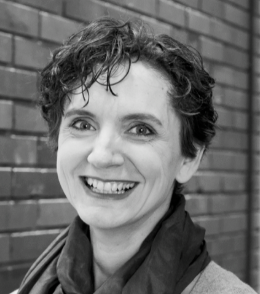
Ramona Ilea | Sustainability Director & Professor of Philosophy, Pacific University Oregon
Ramona Ilea is the Director of the Center for a Sustainable Society and a Philosophy Professor at Pacific University in Oregon. She teaches ethics courses such as Animal Ethics and Environmental Ethics and oversees a large team of student workers. Together with her students, she runs the Finders Keepers Free Store and organizes projects on biking, public transportation, vegan food, upcycling, and more.
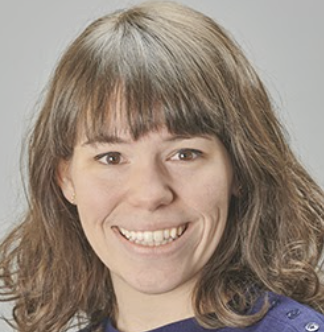
Allyson Jackovics | Senior Project Associate, O'Brien360
Allyson Jackovics is a Senior Project Associate with O’Brien360, focused on facilitating LEED, Envision, ILFI CORE, King County Scorecard and other local certifications for commercial and infrastructure projects. Her focus is predominately on higher education, airport and transit facility projects as well as commercial spaces around the PNW. As a proud UW Alum, she has enjoyed going full circle from learning about sustainability through the Program on the Environment to facilitating and supporting the LEED certification on over a dozen UW projects, as well as updating the UW’s Green Building Standards.
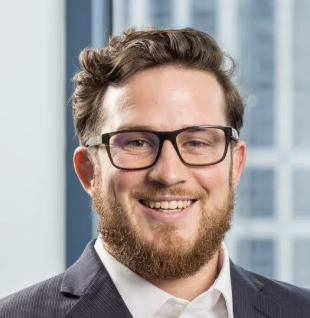
Drew Karson | Energy Consultant, Glumac
Drew Karson is an Energy Consultant at Glumac and brings a wealth of expertise in buildings and infrastructure operations, resilient design, and energy master planning. Drew works with clients to develop comprehensive decarbonization and resilience strategies to improve their existing buildings and campus infrastructure. He has extensive experience working with colleges, universities, and military installations to identify climate-related resilience concerns and develop actionable solutions to mitigate risks. Drew has now written over a dozen comprehensive resilience and decarbonization plans and will share insights on creating resilient, interconnected structures that align with the conference's mission of fostering sustainable development.
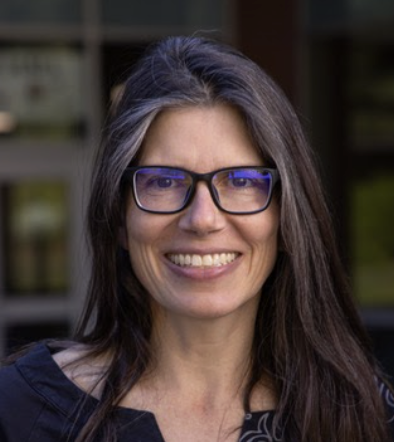
Dr. Susan Kaspari | Professor, Central Washington University
Susan is a professor of Geological Sciences and Director of Environmental Studies at Central Washington University. For more than a decade, she has worked to advance sustainability across the university, including teaching the core courses in CWU’s Sustainability Minor and leading an interdisciplinary Sustainability in the Curriculum team that integrates sustainability across academic programs. Susan is also an active climate scientist whose recent research uses ice cores from Svalbard to better understand climate change in the rapidly warming Arctic.
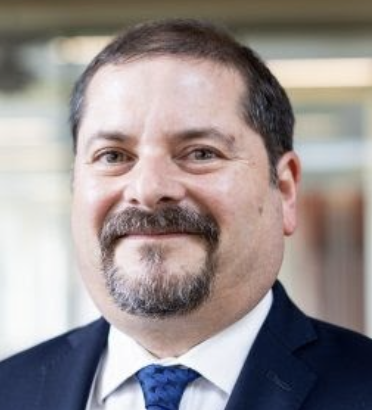
Michael Kern | Director of Special Projects, University of Washington Center for Urban Waters/Puget Sound Institute
Michael Kern serves as Program Lead of the Collaborative Leadership Program and Principal Investigator for the Developing Collaborative Leaders for Puget Sound Project. Michael is Director of Special Projects at the Center for Urban Waters (CUW)/Puget Sound Institute (PSI); Principal of Michael Kern Consulting, LLC; Adjunct Associate Professor at Washington State University (WSU) Extension, and Adjunct Faculty at Seattle University's Department of Public Affairs & Nonprofit Leadership. In 2021, he wrapped up 12 years as Director of the William D. Ruckelshaus Center, a joint effort of WSU and UW that fosters collaborative public policy. Michael has more than 30 years of experience, and a national/international reputation, as both a practitioner and an academic in the field of collaborative governance.
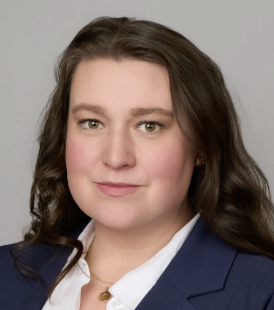
Chelsea Kimmet | Basic Needs, Sustainability and Leadership Coordinator, Portland Community College
For the past 17 years, Chelsea Kimmett has developed emerging leaders by supporting and guiding initiatives, programs and organizations led by students. A PCC graduate, Chelsea is passionate about the mission of community college and believes in the power of education and experiential learning. Professionally, Chelsea began her career at Linn-Benton Community College in 2008 as the Student Activities Coordinator. In 2010, she moved to Portland Community College as the Clubs & Programs Specialist, which later developed into an Assistant Director role with Student Life & Leadership. After working with the PCC Foundation as the Events Coordinator, Chelsea returned home to PCC Student Life to lead a new student leadership program. Currently, Chelsea coordinates Sustainability Leadership & Basics Needs, a program which aims to support PCC students so they can thrive in an ever changing climate.
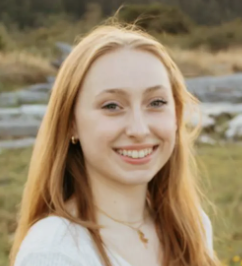
Kyleigh King | Collaborations Co-Chair, Huskies for Equitable Sustainability (HuES)
Kyleigh is a first year at UW and an Environmental studies Major, Public Policy minor. She is passionate about the environment and sustainability as well as community connection. She is an outlet in HuES by reaching out and learning from different RSO’s on campus to make the most good by collaborating among fields and gaining more outreach and connection among the community.
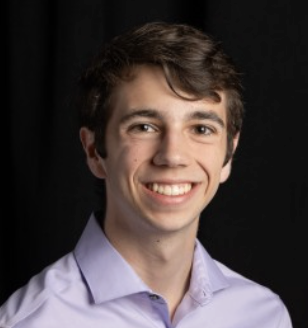
Tucker Kirkes | Planning and Assessment Intern, Oregon State University Sustainability Office
Tucker is a third-year Environmental Sciences student at Oregon State University. He first joined OSU’s Sustainability Office in Fall 2023 as an Eco-Rep in the residence halls, and then became the Assessment and Planning Intern in Spring 2024. Tucker assists with OSU’s annual STARS report and helps improve green building and construction standards on campus.
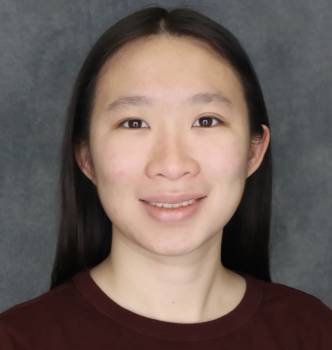
Natalie Lai | Earth Week Chair, Huskies for Equitable Sustainability, University of Washington
Natalie is a second year at the University of Washington, majoring in Aquatic Conservation and Ecology. She is passionate about exploring human-nature relationships, resource use, and how sustainability can be practically applied. This is her first year in Huskies for Equitable Sustainability (HuES). Previously, she was a member of Students Expressing Environmental Dedication (SEED), which focuses specifically on improving sustainability in the dining halls and dorms. Natalie enjoys how HuES brings together a diverse group of people and skill sets to tackle the many facets of sustainability.

Samantha Laing | HuES Communications & Outreach Lead, University of Washington
Samantha Laing is a senior at the University of Washington studying Environmental Science with a minor in Business Administration. As Communications & Outreach Lead for Huskies for Equitable Sustainability (HuES), she spearheads student-led sustainability projects on campus, including Salmon Safe campus certification and sustainable event policies. Samantha is passionate about translating environmental science into actionable change and empowering students to engage in climate action.
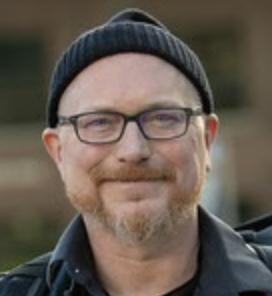
Jason Frederick Lambacher | Lecturer, University of Washington Bothell
Jason is a lecturer at UWB who teaches in the Environmental Studies, Global Studies, Law, Economics & Public Policy, and the Discovery Core Experience. He has a Ph.D. In Political Science from UW Seattle where he specialized in Environmental Political Theory. His work on environmental topics such as extinction politics, freedom and democracy, conservation and wildness, the Green New Deal, and peace parks have been published in the Oxford Handbook of Environmental Political Theory, Interdisciplinary Environmental Review, MIT Press, and The New Republic.
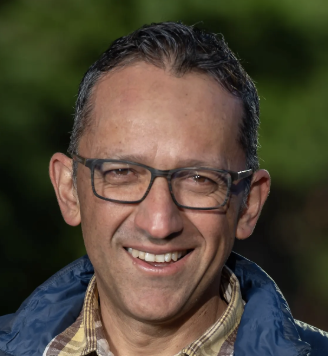
Santiago López | Professor of Human-Environment Geography, University of Washington Bothell
Santiago López is a Professor in the School of Interdisciplinary Arts & Sciences at UW Bothell and Adjunct Associate Professor in Geography at UW Seattle. He holds a B.Eng. in Geographical & Environmental Engineering (Army Polytechnic University, Ecuador), an M.A. in Geography (Arizona State University), and a Ph.D. in Geography & the Environment (University of Texas, Austin). His research bridges climate change, land-use dynamics, and socio-environmental systems via geographic information science and remote sensing. He recently received a Global Innovation Fund Award for a new study abroad program integrating geotechnical applications, human-environment geography, and cultural exchange in Ecuador.
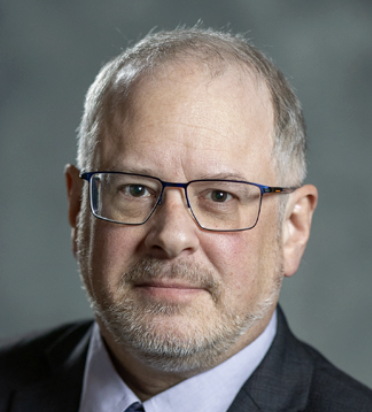
Kevin Laycock | Energy and Climate Advisor, Brailsford & Dunlavey, Inc.
Kevin works with colleges and universities to advance campus wide sustainability, climate action, and decarbonization strategies. With over 15 years of experience in energy and sustainability within the built environment, his work spans GHG inventories and reporting, climate action planning, and campus energy system modernization and decarbonization. He advises campus leadership, facilities teams, and sustainability staff on data driven planning and practical strategies to avoid, reduce, and influence greenhouse gas emissions, while improving infrastructure resilience, reducing long term capital risk, and stretching limited capital budgets. Kevin holds a BS in Physics, a MA in International Studies, and an MBA focused on Sustainable Business Practices
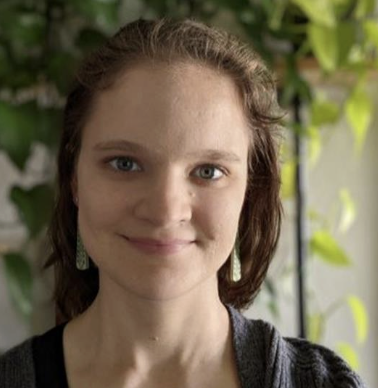
Zinta Lucans | Grant Program Manager for the Sustainability, Equity, and Justice Fund; Western Washington University
Zinta is the Grant Program Manager for the Sustainability, Equity, and Justice Fund (SEJF), a student-fee funded grant program at Western Washington University. The fund awards grants to student-centered initiatives that advance social, economic, and environmental sustainability on campus and in the community. Zinta's main interest is in supporting community-building projects that make WWU and Bellingham a more inclusive and accessible place to live, work, and study.
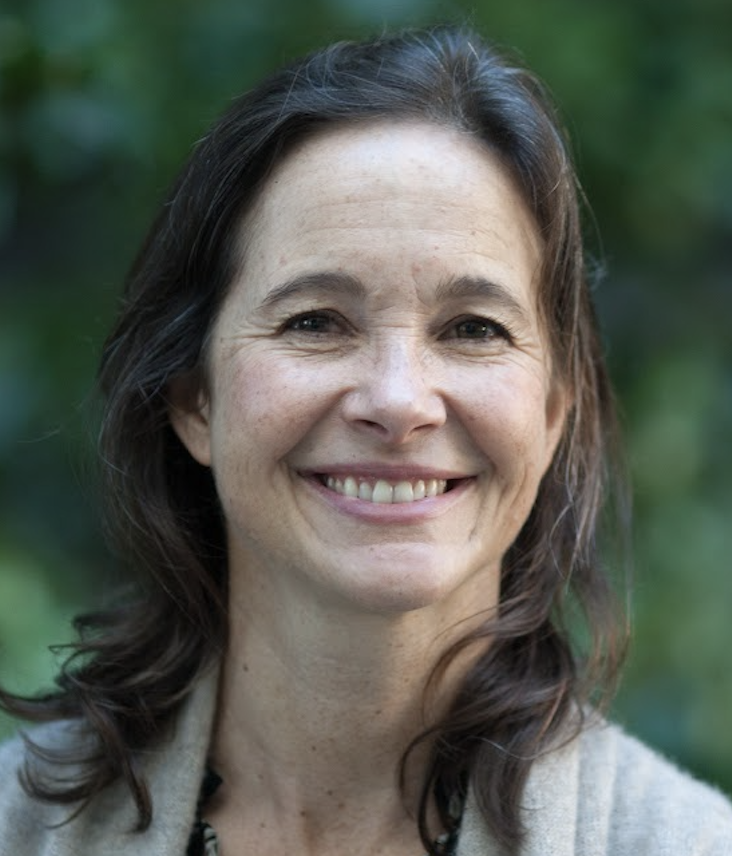
Agnes Martelet | Associate Director of Sustainability, University of California, Office of the President (UCOP)
As an Associate Director of Sustainability at UC Office of the President, Agnes supports the implementation of the UC Sustainable Practices Policy by coordinating the efforts of eight UC systemwide sustainability working groups that address sustainability policies, projects, and initiatives related to food, water, waste, procurement, healthcare, health and wellbeing, and laboratories. Agnes has over 15 years of experience leading complex environmental and sustainability projects and programs, including climate action and adaptation, sustainable food, supply chain sustainability and GHG emissions, water and storm water management, waste reduction and recycling, hazardous materials management, watershed planning, and ecological restoration. Agnes has a Bachelor of Science in Environmental Science and a Master of Urban and Regional Planning.
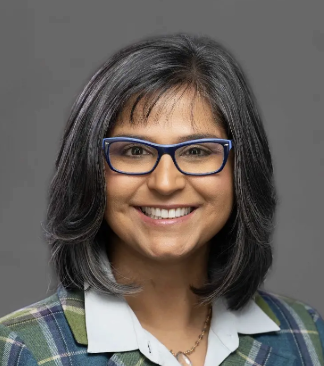
Roma McCaig | Board Director, B Lab; President, PRPSFL Group, SPC
Roma McCaig is a purpose-driven enterprise leader who brings proven ability to align brand purpose with business performance and governance discipline. She has deep CPG and brand expertise developed in highly successful purpose-led environments, delivering operational performance while managing corporate reputation. Most recently, she served as Chief Public Affairs & Impact Officer at REI Co-op, leading sustainability, communications, and community impact, and chairing the REI Cooperative Action Fund Board. Previously, Roma held senior leadership roles at Clif Bar and The Campbell’s Company, overseeing corporate responsibility, sustainability, and reputation management. Since 2021, she has served on the Board of B Lab, the nonprofit behind B Corp certification. Roma holds an MBA from The Wharton School and a BS in Communications & Advertising from the University of Tennessee.
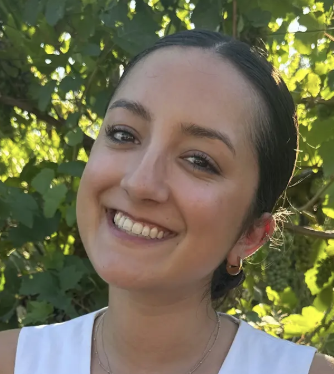
Jade Menchaca | Sustainability Coordinator, Portland Community College
Jade was born and raised in Beaverton, spent their undergrad years at the University of Oregon focusing on environmental and food studies, and has lived in Portland ever since. Currently, she is the Sustainability Coordinator for Portland Community College and focuses on outreach and education and institutionalizing sustainability. She has many years of experience coordinating programs and events for higher education students to enhance their sustainability, involvement on campus, and knowledge of environmental justice. She is passionate about community involvement and environmental justice. She likes to spend her free time cooking, crafting, traveling, and trying new Portland haunts.
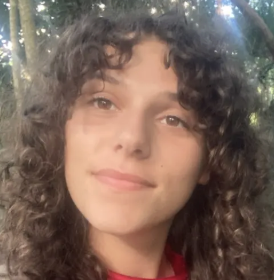
Kenna McCauley | Sustainability and Environmental Justice Scholar, Reed College
Kenna McCauley graduated from Reed College with a B.A. in Comparative Race and Ethnicity Studies (CRES) with a concentration in History. She wrote her senior thesis on the Hawaiian Renaissance of the 1970s, and recently presented her findings at the University of Hawai'i at Mānoa. Kenna has worked as Coordinator for Reed's Community Pantry, and as a intern for Reed's CRES Program focusing on making community engagement a requirement for the major. She is currently a post-baccalaureate scholar with Reed's Sustainability and Environmental Justice Collective. Kenna is passionate about creating opportunities for community engagement on campus, and empowering students to change their campuses and cities for the better.
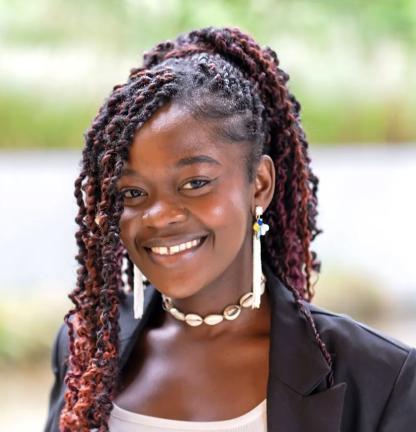
Stephanie Nehema | Public Affairs & Environmental Studies Student, Environmental Justice Advocate, Seattle University
Stephanie Nehema is a Public Affairs and Environmental Studies student at Seattle University whose work is deeply shaped by lived experience, cultural identity, and a commitment to environmental justice. Raised in the Democratic Republic of Congo, she grew up in contexts where environmental harm, poor living conditions, and resource exploitation were part of everyday life—often normalized by the urgency of survival rather than named as injustice. Sustainability, as a concept or framework, was not something she had language for at the time. It was through her academic journey in the United States that Stephanie began to understand sustainability as more than environmental protection—as a lens for justice, accountability, and empowerment. Through coursework, community engagement, and transformative learning spaces, including conferences and collaborative educational environments, she experienced a shift from awareness to action. These experiences revealed the power of inclusive education to help individuals and communities recognize their worth, reclaim their voices, and challenge systems that perpetuate harm.
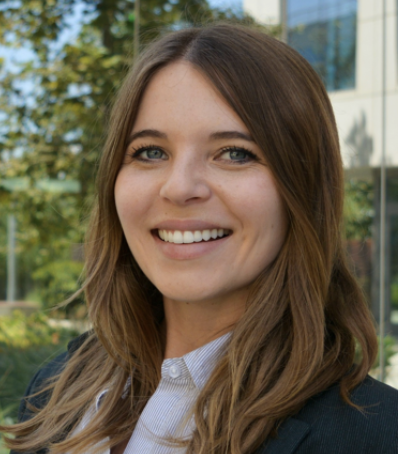
Reese Netro | Sustainability Strategist, Glumac
Reese Netro is a Sustainability Strategist at Glumac, specializing in sustainable design, decarbonization, and climate resilience. Reese has led and supported projects advancing campus sustainability planning, greenhouse gas reduction, and climate adaptation initiatives. Her experience includes guiding LEED certification efforts as well as contributing to comprehensive decarbonization roadmaps. Reese holds dual degrees in Architecture and Physics, along with a minor in Sustainable Environments from California Polytechnic State University – San Luis Obispo. As an alumna of the CSU System, Reese considers her work on the CSU Resiliency Framework to be both impactful and deeply rewarding.
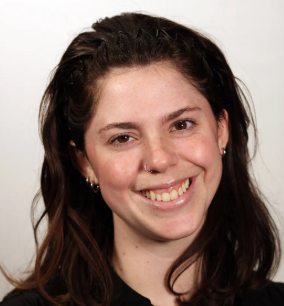
Haley Newell | Energy Science and Technology Student, Western Washington University, Western Washington University, Sustainable Connections
Haley is a fourth-year Energy Science and Technology student at Western Washington University, where she is also pursuing a Climate Leadership Certificate. During the summer of 2025, she completed an internship with Sustainable Connections on the Toward Zero Waste team, where she discovered her passion for waste management. In this role, she worked diligently to divert prepared food to hunger relief organizations, developed and distributed educational materials throughout the community, and engaged with community members at Sustainable Connections events. Additionally, Haley served as a Zero Waste Coordinator for WWU, where she collaborated directly with campus stakeholders to reduce the university's waste footprint and educate students, staff, and faculty on proper waste sorting practices.
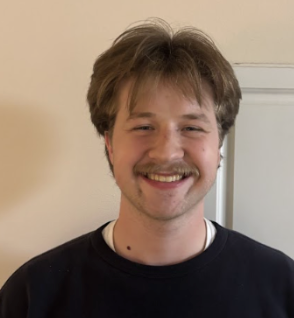
Samuel Olson | CWU Student, Central Washington University
Sam Olson is a senior at Central Washington University. He is pursuing a Bachelor of Science in Environmental Studies with a specialization in Geology and a minor is Sustainability.
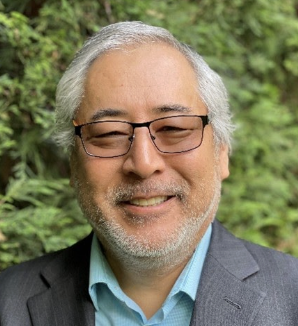
David Ortiz | Founding Faculty in Media, Film, and Communication Studies, Cascadia College
David Ortiz is a Founding Faculty Member at Cascadia College in Bothell, Washington. As a founding faculty member, he has taught Humanities and Communication Studies courses since the fall of 2000. He teaches Humanities and Communication Studies content areas, emphasizing social justice, climate justice, and cultural equity. Moreover, he promotes the integration of “indigeneity” practices and methods into classroom instruction and coursework. He is Vice Board Chair for the Communities of Color Coalition (C3). He is the former Board Co-President for the Pacific Islander Health Board of Washington State and a former Board Member for Centro Cultural Mexicano. He received two American Federation of Teachers (AFT) Cesar Chavez Human Rights Awards and several teaching awards.
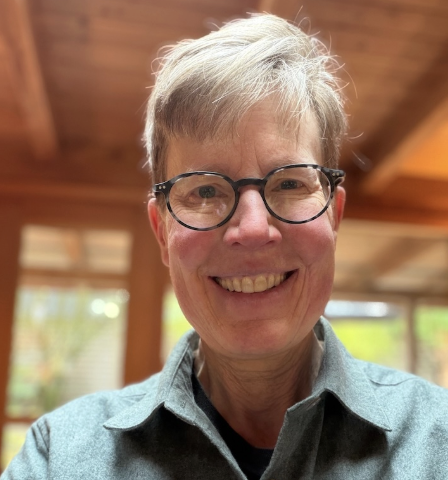
Marilyn Ostergren | Energy and Sustainability Specialist, Sustainability Office, University of Washington
Marilyn Ostergren serves as an Energy and Sustainability Specialist at the University of Washington, where she has been working on campus-wide sustainability initiatives since 2009. Her work spans decarbonization planning, transportation and air travel emissions reduction, sustainable building practices, GHG inventorying, and the Green Labs program. With a Ph.D. in Information Science, she brings expertise in visual information design to help make complex sustainability systems more understandable and actionable.

Adam C. Powers | CEO & Founder, Key Tech Labs
Adam Powers is an accomplished energy expert, educator, and data management specialist with a profound commitment to sustainable community development. As Executive Director of Key Tech Labs and Digital Business Center & Coop, Adam leads projects that bring emerging technologies to under-resourced communities, focusing on AI, technical support, and privacy-enhancing solutions for local businesses. Through Key Tech Labs, he empowers youth and adults alike, teaching them to leverage technology for self-sufficiency and community growth. Adam’s career in solar energy began in 2018 with Omnidian, a Seattle-based solar startup, where he worked as a Technical Support Specialist and led the Civic Action Committee, addressing critical issues in Justice, Equity, Diversity, and Inclusion (J.E.D.I) within the energy sector. His advocacy for workforce diversity and his commitment to solving energy poverty laid the groundwork for his broader influence in the field. Recently, Adam completed a Department of Energy-certified program as a Community Solar Developer, furthering his expertise in sustainable energy solutions for underserved areas.
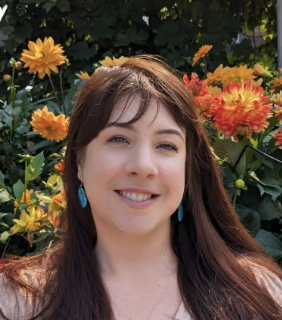
Livia Petzinger | UW Tacoma Student Sustainability Coordinator, University of Washington Tacoma
Livia Petzinger is a Brazilian American, originally from Yakima, WA and works as the Student Sustainability Coordinator at UW Tacoma. A lover and researcher of coffee, her work is grounded in the struggle for justice for food chain workers and the valuable role that food systems play in restoring our relationships with nature.
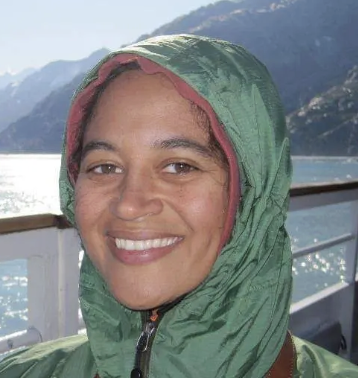
Deborah Purce | Fellowships and Research Lead, Washington Sea Grant / University of Washington
Deborah joined Washington Sea Grant in 2018. As the Fellowships and Research Lead, she manages a team overseeing the competitive selection of students and recent graduates to fill marine policy, fisheries, communications and other marine science fellowships. She supports the selection and implementation of competitive research, education and outreach project grants including scientific reviews and technical evaluation for proposals submitted in response to Washington Sea Grant requests for proposals.
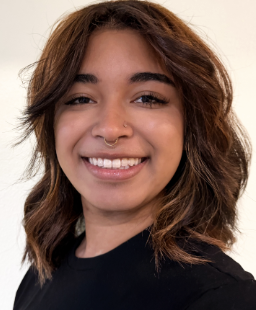
Enija Reed | Student, The Evergreen State College
Enija grew up in Washington State, leaving for a year to live in Arizona. With a passion for Marine Biology and Environmental Action, she came back to Washington and started her undergraduate degree at Evergreen State College. During undergrad, she studied climate changes effect on migration and traveled to Morocco, to meet with different NGOs who work with migrants and climate change. In addition to this, she worked with CCAS and participated in a community internship program at the Puget Sound Estuarium, focusing on environmental education, exhibit design, and grant database development. Currently within the MES program and Sustainability Grad Fellowship program, Enija hopes to gain more perspective and knowledge on the field of climate change and sustainability, participate in the public knowledge building surrounding the restoration efforts
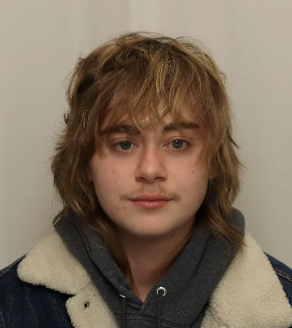
Jackson Reside | Waste Reduction Educator, Gonzaga University
Jackson is an AmeriCorps Volunteer currently serving as the Waste Reduction Educator for Gonzaga University. His role at Gonzaga's Office of Sustainability includes educational and promotional programming with staff and students, performing waste audits, leading pop-up events such as informational tabling and free thrift events, and leading the Waste Reduction Committee on Gonzaga's campus. He is working in collaboration with student organizations and staff towards developing a sustainable campus closet that can repurpose donated clothes collected at residence hall move-outs and throughout the academic year.

Susan Rivera, PhD | Faculty Central Washington, University
Sue is a Sustainable IT curriculum design specialist who proposed and implemented novel intermediate coursework that became the foundation of the undergraduate Sustainable Practices in IT minor/certificate, launched three years ago. She is now developing advanced Master’s level coursework as demand for qualified Sustainable IT professionals grows. Designed collaboratively with stakeholders including ITM’s Industry Advisory Board, these classes are offered in four multimodal formats to enhance equitable access to sustainability education. Rivera also works to connect CWU Information Services and Sustainability Office operations with student sustainability initiatives, aligning practice with purpose. Her research advances applied sustainability curriculum that breaks down barriers within academic hierarchies, extending into graduate topics such as IT lifecycle management, scaling sustainable IT, and sustainable IT policy and governance.

Sam Saltiel | Professor, The Evergreen State College
I am an artist, writer, and game designer from New York City. I'm a summer adjunct at Evergreen teaching tabletop roleplaying game design. Across mediums, my work is relational. I position artmaking as an act of community-building through interactive and collaborative pieces and practices. My publications include works in Duende, Eternal Remedy, and Are We Europe, as well as two mixed-media poetry chapbooks, Passing, a tabletop roleplaying game about intersection and erasures within queer communities, and an upcoming auto theoretical memoir, Death Anxiety: A Book of Attempts. I have won the Robert Coover Prize for innovative fiction, a silver ENnie for best supplement in gaming, as well as the Price of Violets and Riza Chapbook prize for poetry.
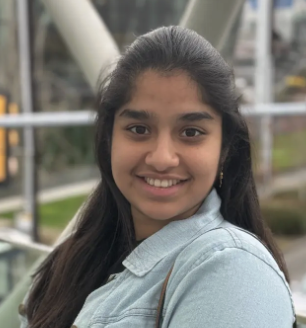
Sania Samreen | Basic Needs Ambassador, Portland Community College
Sania Samreen, based in Portland, Oregon, is a Basic Needs Ambassador at Portland Community College (PCC) through the Basic Needs & Sustainability Leadership Program. She advocates for student well-being by supporting access to food security, essential resources, and community support systems, ensuring academic and personal success. As a licensed pilot, Sania actively pursues a career in the airlines, building flight experience, professional discipline, and technical expertise for the aviation industry. Her commitment to community-centered leadership and aviation aligns with integrity, resilience, and purpose, impacting both the campus community and the cockpit.
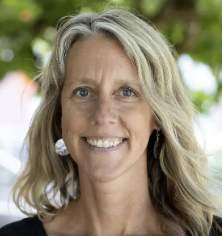
Blaine Schoolfield | Undergraduate Program Coordintor, Oregon Sea Grant
Blaine holds an undergraduate degree in Biology from Meredith College and a Graduate Certificate in College Student Services Administration from Oregon State University. Originally from the Eastern Shore of Virginia, Blaine has a background in science and environmental education, academic advising, instream habitat restoration and 14 years working with oyster aquaculture breeding and research programs at the Virginia Institute of Marine Science and Oregon State University. Blaine previously managed the Molluscan Broodstock Program at the Hatfield Marine Science Center, where she formed deep-rooted connections with shellfish growers, Tribal partners, state and federal agencies and researchers in Oregon, Washington, California, Hawaii and Alaska. In her current role with Oregon Sea Grant, Blaine manages two undergraduate internship programs - Summer Scholars and Oregon Applied Sustainability Internships. Blaine is driven by a strong commitment to helping students and early career professionals gain hands-on research and internship experience that opens pathways into meaningful careers.
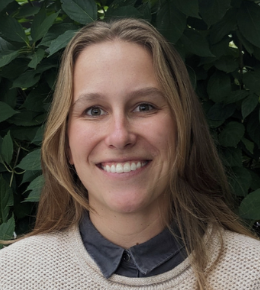
Lauren Schultz | Sustainability Planning and Policy Specialist, University of Washington
Lauren is a Sustainability Planning & Policy Specialist at the University of Washington, where she is currently leading the development of the 2025–2030 Sustainability Action Plan across UW Seattle, Bothell, Tacoma, and UW Medicine. She guides governance, facilitates working groups, and shapes long-term sustainability strategy with a focus on cross-campus alignment and community engagement. Lauren also supports DEI and leadership initiatives through the UW Facilities FAIR Coalition. She has prior experience in environmental policy, multi-stakeholder facilitation, and clean-energy and natural-resource program management, and holds a B.S. in Environmental Science, Policy & Management from the University of Minnesota.
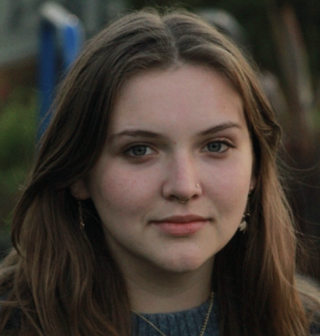
Amelia Shaw | Habitat Restoration Lead, University of Oregon Student Sustainability Center
Amelia Shaw is a fourth year student at the University of Oregon, pursuing a major in Environmental Studies with a minor in Indigenous, Race, and Ethnic Studies. This is Amelia's third year working at the University of Oregon Student Sustainability Center (SSC), and their second year coordinating the SSC Habitat Restoration Program. Their work through the SSC reflects their passion for empowering environmental advocacy through community engagement and environmental education.

Cady Shaw | Program Management Fellow, Oregon Sea Grant
Cady Shaw is a recent graduate from Western Washington University (WWU) with a Bachelor of Science in environmental science. She has diverse undergraduate research experience as an assistant in the Marine Ecology Lab, Environmental Hydrodynamics Lab, and Wetlands Ecology Lab at WWU. Her research interests include coastal wetland restoration monitoring and assessment, agroecology, soil health, and estuarine processes in the context of anthropogenic forcing. In summer 2025, Cady interned at the MidCoast Watersheds Council in Newport, Oregon as an Oregon Sea Grant Summer Scholar. Cady is now a Research and Scholars Program Management Fellow with Oregon Sea Grant, providing program assistance, communication, and mentorship for Oregon Sea Grant Summer Scholars and Oregon Applied Sustainability Internships (OASIS).
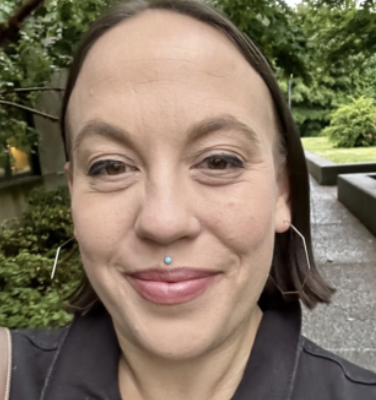
Megan Simón | Area Coordinator, Residence Life, Reed College
Megan Simón, M.Ed. (she/her) is a Portland, Oregon native with a B.S. in Social Sciences and a Master’s in Educational Leadership and Policy from Portland State University. Before joining the Residence Life team at Reed College, she served in both the Student Life Office and the Office for Student Engagement, where she supported a range of student programs and leadership initiatives. Megan currently helps lead the Sustainability and Environmental Justice (SEJ) Residential Learning Community at Reed, supporting students in connecting campus life, academics, and environmental justice initiatives. She has particular interests in co-curricular learning, residential education, and the development of residential curricula that are built to maintain meaningful, equity-centered student engagement beyond the classroom.
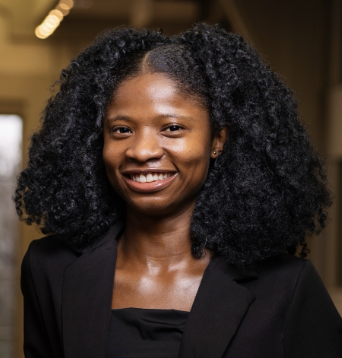
Gloria Sineman Koomson | MSF Candidate, Seattle University; Portfolio Manager
Gloria Sineman Koomson is an MSF candidate at Seattle University, President of the Albers Graduate Student Association (AGSA), and a Portfolio Manager with the Seattle University Redhawk Fund. She serves as the student representative on the university’s Laudato Si Action Plan (LSAP) Investment Working Group, helping advance socially responsible investing by integrating ESG considerations into campus investment discussions. She has also supported Seattle University’s Financial Literacy Team by helping deliver student-focused financial education workshops.
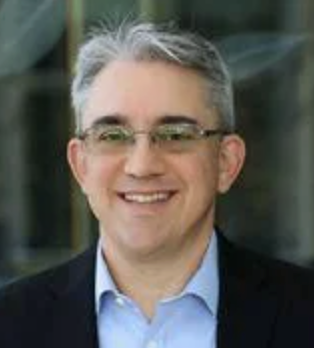
Joshua Skov | Professor of Practice, Academic Director and Industry Mentor, Center for Sustainable Business Practices, University of Oregon
Joshua Skov has been a consultant to business and government organizations on sustainability strategy for more than twenty years. Acting as a liaison between technical analysis and executive-level decision making, he has served more than 50 clients in the United States and abroad in a range of industries, including energy, food, waste management, tech, and consumer products. Outside of the University of Oregon, Skov is assistant vice president in the sustainability, energy, and climate change practice of WSP USA. Skov designed the gateway course to the undergraduate minor in sustainable business (MGMT 250: Introduction to Sustainable Business). He was a member of the diversity committee of the Lundquist College of Business.
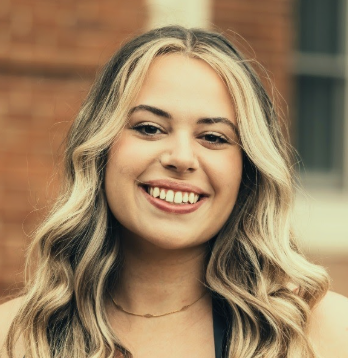
Kaylee Smith | Program Specialist, Club Advisor, and Community Organizer, Oregon State University
Kaylee Smith is a Program Specialist at Oregon State University dedicated to advancing waste reduction and student-powered sustainability. She began in Campus Recycling, advising sustainability clubs, coordinating peer-to-peer programs, and leading hands-on initiatives such as Repair Fairs and donation drives. Beyond campus, she contributes to community waste-reduction education and school district sustainability conversations. As a recent OSU undergraduate and current graduate student, Kaylee’s approach centers on meeting students where they are, both figuratively and literally, by building foundational sustainability knowledge and helping them navigate the slow-moving and often inaccessible nature of higher education systems. She advocates for student voices among decision-makers while mentoring students in how to do the same for themselves, their peers, and the planet.
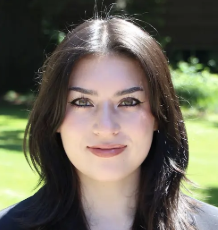
Makenna Smith | Climate Anxiety & Resiliency Program Coordinator, University of Oregon Student Sustainability Center
Makenna Smith is a fourth-year Psychology and Marketing student at the University of Oregon whose work centers on environmental psychology, student wellbeing, and mental health. Originally from San José, California, she has coordinated the Student Sustainability Center’s Climate Anxiety & Resiliency Program for three years, leading initiatives that help students navigate climate emotions and build community resilience. Makenna also conducts research in the university's Developing Brains in Context Lab, examining how college students experience and respond to climate change. She is committed to addressing the emotional dimensions of sustainability work and empowering young people to engage with climate change with resilience and compassion.
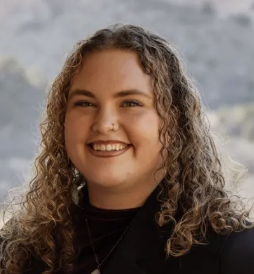
Jordan Spradlin | Sustainability Coordinator, Central Washington University
Jordan Spradlin serves as Central Washington University’s Sustainability Coordinator, where she leads the Student Sustainability Ambassadors and advances campus-wide sustainability outreach, education, and community engagement. She collaborates with departments and student organizations to deliver events, trainings, campaigns, and strategic initiatives that strengthen CWU’s commitment to environmental stewardship and climate action. She holds a B.S. in Public Health from the University of Arizona and an M.P.H. in Environmental and Occupational Health from Oregon State University.
Hattie Sterns | Grove Garden Coordinator, University of Oregon Student Sustainability Center
Hattie is a her last year of her undergraduate degree majoring in Environmental Design. She has worked at the UO Student Sustainability Center for three years. She coordinates the Grove Garden which is the student led community garden on campus.
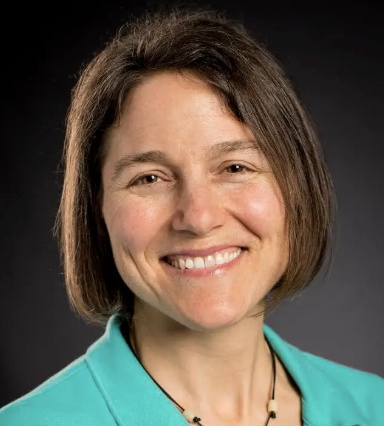
Kristi Straus | Teaching Professor and Associate Director, Program on the Environment, UW
Kristi Straus is a Teaching Proefssor in Environmental Studies and The School of Marine and Environmental Affairs at the University of Washington, where she is also the Associate Director of the UW Program on the Environment. Kristi is deeply invested in sustainability education and wants her students to understand both current social-environmental challenges and how to make changes that matter in their own lives and in the world around them. In addition to teaching Environmental Studies in the classroom, Kristi leads a sustainability focused study abroad program in Morocco.
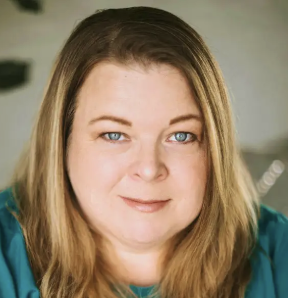
Rohana J. Swihart | PhD ABD, Sustainability Education, Prescott College / HarmonyEduXR
Rohana is a Ph.D. candidate (ABD) in Sustainability Education with hidden disabilities (2e), an international and national presenter & author at the intersectionality of emerging technologies and future ready communities. She is a former Inclusion/Special Education high school teacher in rural and urban learning centers for more than a decade , and was a PATH International CTRI for 10 years. Her Ph.D. studies and memberships in global extended reality (XR) leadership teams promoting women, inclusion, and accessibility drive her mission of empowering sustainability solutionaries from underserved communities, including scholars with learning disabilities and Autism. Rohana's love of virtual reality (VR) focuses on workforce development in STEM and GREEN talent pipelines for future ready communities. She models self-determination, self-efficacy, and resilience to overcome adversity. Her background includes large-scale construction, STEM business administration, commercial new building energy efficiency consulting, technical writing, transition coaching, and therapeutic riding.
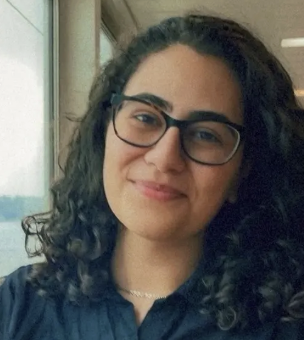
Shahrzad Tehrani | Sustainability Coordinator, University of Washington Bothell
Shahrzad currently works at UW Bothell as Sustainability Coordinator where she leads initiatives that promote environmental stewardship and justice across campus. Her work includes education and engagement, sustainability-focused improvements to university operations, data tracking and reporting, and communications. Prior, she worked at the Washington State Department of Ecology where she developed and managed clean transportation grant programs. She holds a Bachelor of Arts in Environmental Studies from UW Bothell.
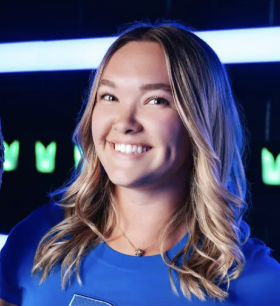
Jillian Thompson | Sustainability Intern, Seattle Seahawks
Jillian Thompson is the Sustainability Intern at the Seattle Seahawks at Lumen Field, where she advances environmental action through data‑driven strategy, storytelling, and venue operations within the sports and live events industry. Her work has included leading reusable service ware programs at Training Camp, developing sustainability education integrated into game‑day spaces, and coordinating the logistics for the Seahawks’ annual Green Game this last NFL season. She actively supports Lumen Field’s TRUE Gold certification and manages monthly tracking and analysis of water, energy, waste, and natural gas data for ESG and operational reporting. Jillian also redesigns and authors the organization’s internal sustainability newsletter, translating performance metrics into clear, impact‑focused narratives for staff and senior leadership. She holds dual Bachelor of Science degrees in Marketing and Sustainability, with a minor in Supply Chain and Logistics Management, from Oregon State University.
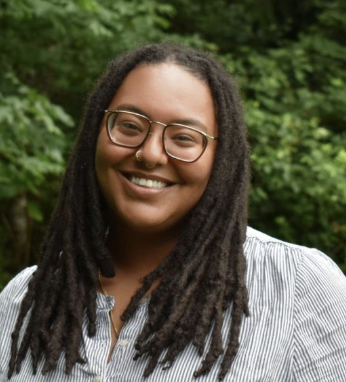
Lissan Tibebe | Student Programs Lead, EarthLab
Lissan Tibebe (She/Her) is the Student Programs Lead at EarthLab, an institute at the University of Washington working towards taking equitable action on climate change. As a program lead, Lissan helps develop, manage, and support EarthLab's programming and events that aim to bring students together from all majors, years, and experiences who are passionate about climate change and the environment. Before joining EarthLab, Lissan worked as an Academic Advisor with UW's School of Social Work where she supported Master's Social Work students in completing their degrees. Lissan holds a Bachelors in International Studies and Human Rights and a Master's in Social Work both from the University of Washington.
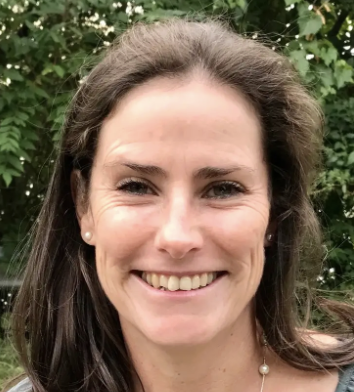
Sarah Tribelhorn | Sciences and Sustainability Librarian, San Diego State University
Sarah Tribelhorn is Sciences and Sustainability Librarian at San Diego State University. She has been instrumental in leading sustainability initiatives in the University Library, including the formation of a library Sustainability Committee and the library’s participation in the Sustainable Libraries Initiative Certification Program (SLCP) for academic libraries to benchmark sustainability within the library. Other initiatives have included mapping the work being carried out in the University Library to each of the 17 United Nations (UN) Sustainable Development Goals (SDGs), and increased campus and community engagement in sustainability projects, the launch of a citizen science program, and the development of AI Literacy modules.
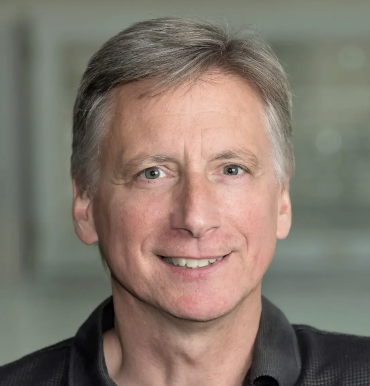
Robert Turner | Teaching Professor, University of Washington Bothell
Dr. Robert Turner is a Teaching Professor in the School of Interdisciplinary Arts and Sciences at the University of Washington Bothell. Dr. Turner teaches a variety of earth science and sustainability courses, with a research and teaching specialization in our interactions with water.
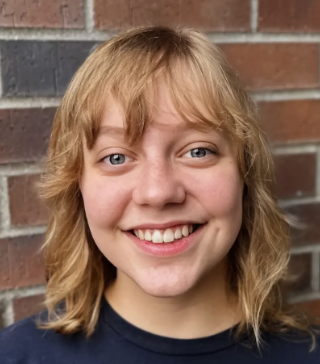
Dori Vaughan | Waste Reduction & Reusables Program Lead, Student Sustainability Center
Dori Vaughan is a third year student at the University of Oregon studying Environmental Studies and Outdoor Recreation Education. She currently facilitates the Waste Reduction & Reusables program. This is her second year involved with the Student Sustainability Center and her first year working as a program lead.

Victor Villegas | Broadband & Digital Technologies Adoption Coordinator, Oregon State University
Victor Villegas is passionate about bridging technology and community. As Broadband and Emerging Technologies Adoption Coordinator at Oregon State University Extension, Victor champions digital equity and literacy across Oregon. He leads initiatives like the Oregon Broadband Equity Coalition and the AI Oregon K-12 Collaborative, helping communities gain equitable access to emerging technologies. His work focuses on responsible AI adoption and sustainable digital practices that empower people and organizations to thrive in a rapidly evolving world.
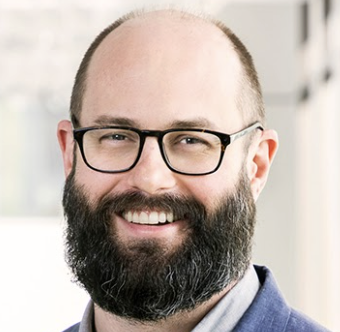
Ante Vulin | Senior Sustainability Strategist, Glumac
Ante is an experienced sustainability consultant, focused on helping new and existing buildings reach their full potential. He works with a range of public and private organizations to develop comprehensive and effective strategies to decarbonize campuses and building portfolios. Recent clients range include the University of Washington, the University of California, Irvine and California State University, Fullerton. Ante is focused on communicating technical information at a comprehensible level for all stakeholders, in order to turn climate goals into actionable projects.
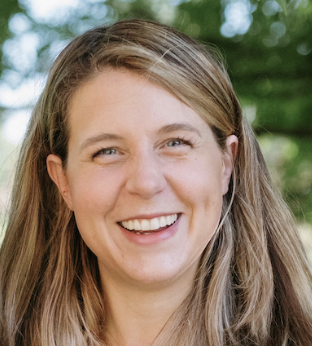
Sarah Wagner-McCoy | Associate Professor of English and Humanities, Reed College
Sarah Wagner-McCoy is an Associate Professor of English and Humanities at Reed College, where she teaches American literature and directs the Mellon Initiative for Environmental Humanities. As a co-editor of The Complete Short Stories of Charles W. Chesnutt (OUP), forthcoming from Oxford University Press, she was generously supported by two grants from the National Endowment for the Humanities. Her current project analyzes the realist and regionalist uses of pastoral conventions to represent the transformation of nineteenth-century land and labor through US expansion, slavery, industrialization, and immigration. A winner of the Graves Award excellence in teaching, she encourages students to explore connections between the literary imagination and cultural history, and the relationship between writing and social change. She received Ph.D. from Harvard University, where she was awarded the Helen Choate Bell Dissertation prize, her M.A. with first class honours from University College Dublin, and her B.A. from Columbia University.

Aulin Walker | Student, Central Washington University
Aulin is a fourth-year student at Central Washington University studying Environmental Science, specializing in Geography, with a minor in Sustainability, and a certificate in Natural Resource Management. She ran a Fossil Fuel Divestment Campaign at CWU during the 2023-24 academic year.

Nathan Wells | Environmental Policy Student, CWU
Nathan Wells is an Environmental Science major at Central Washington University who specializes in practical infrastructure solutions that improve campus sustainability. He recently project managed a $14,600 Student Green Fund initiative to install energy-efficient hand dryers in the SURC, reducing paper towel waste and generating environmental, economic, and social benefits for the campus community. Nathan is now consulting with campus partners to expand this project into academic buildings and explore additional infrastructure focused sustainability initiatives at CWU. He’s passionate about collaborative problem solving and looks forward to connecting with others at WOHESC who are advancing scalable and impactful sustainability solutions.
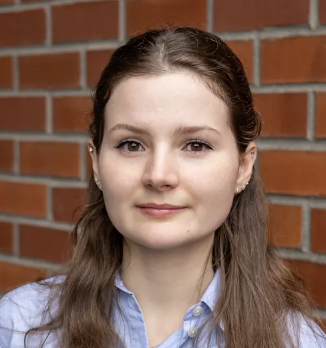
Hannah Whobrey | Program Coordinator, UW Recycling
Hannah Whobrey has worked as a Program Coordinator with UW Recycling since 2023. She is passionate about sustainable food systems and waste reduction, previously leading food recovery efforts for the campus food pantry. Hannah graduated from the University of Washington with a bachelor’s degree in Food Systems and Environmental Studies.
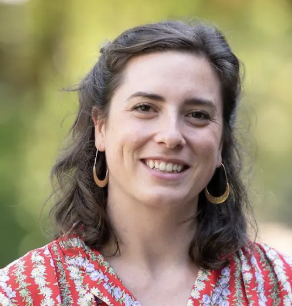
Rachel Willis | Sustainability Coordinator, Reed College
Rachel (she/her) is a seasoned sustainability professional and Reed College’s first Sustainability Coordinator. She holds a Master’s degree in Leadership for Sustainability Education and brings deep experience advancing impactful initiatives across higher education, non-profit, and K–12 settings. At Reed, Rachel leads the student sustainability leadership program, oversees operational and energy-efficiency efforts, and serves on the Sustainability and Environmental Justice Collective team, partnering with faculty, staff, and students to develop innovative co-curricular programming.
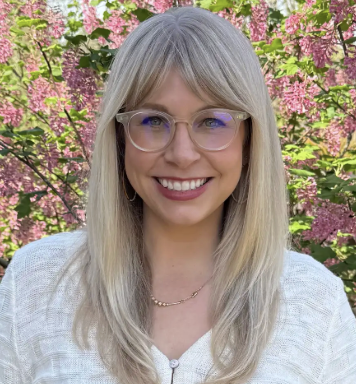
Briar Wray | Associate Dean for Sustainability Strategies, Portland Community College
Briar is the Associate Dean for Sustainability Strategies at Portland Community College, coordinating college-wide sustainability programming and implementation of its Climate Action Plan. She also sits on the Multnomah County Advisory Committee for Sustainability and Innovation. Previously, she worked as the college's Sustainability Analyst and Sustainability Manager. In addition, she has taught sustainability courses at PCC and was a co-founder of the Greater Portland Sustainability Education Network. She holds a Master's Degree in Sustainability from Arizona State University, as well as a B.A. in Sustainability and a B.S. in Justice Studies. She received her LEED Green Associate and Master Gardener certification in 2016. In her free-time, Briar enjoys crafting, being outdoors, any and all things plant-related and spending time with her family.
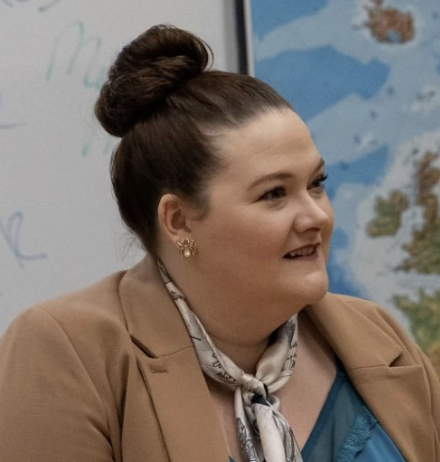
Dr. Felicia K. Youngblood | Associate Professor, Western Washington University
Dr. Felicia K. Youngblood is an Associate Professor in the College of Humanities and Social Sciences at Western Washington University. She received her PhD in Musicology from Florida State University in 2019. Youngblood is the creator of the Sehome Hill Arboretum sound maps and the facilitator of the Sonic Mapping Collective, which is dedicated to the sustainability, accessibility, and stewardship of the WWU campus and broader Bellingham community. Her work spans multiple disciplines and can be found in journals ranging from Folk Life to Leisure Studies and the International Journal for Community Music.
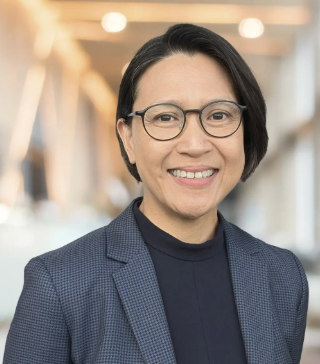
Valentina Zamora, PhD, CMA | Professor of Accounting, Program Director, Graduate Accounting Programs, Albers School of Business and Economics, Seattle University
Tina’s research examines accounting as an instrument of individual agency, corporate accountability, and social responsibility. She is published in the Journal of Finance, Journal of Business Ethics, Auditing: A Journal of Theory and Practice, Journal of Management Accounting Research, Behavioral Research in Accounting, and Issues in Accounting Education. Tina’s teaching experience includes both graduate and undergraduate-level managerial and cost accounting, professional ethics, corporate governance, and ESG and sustainability. In addition to serving as the Accounting Department’s Graduate Accounting Program Director, Tina is a member of the Albers School’s Promotion and Tenure committee, a representative of the Albers School on the University’s Academic Assembly, and a planning committee member for the American Accounting Association’s New Faculty Consortium.
Tour Leaders
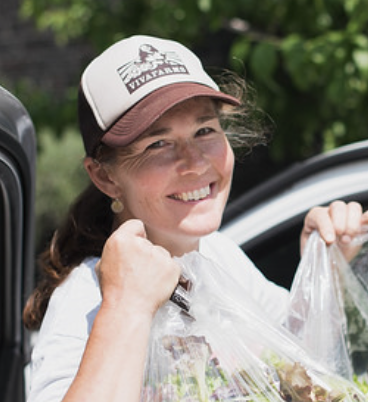
Perry Acworth | Farm Manager, UW Farm, School for Environmental and Forest Sciences, College of the Environment, University of Washington
Originally from Long Island, New York, Perry has a special place in her heart for the Northeast. From 1995-2012, Perry owned and operated a commercial grass-based sheep dairy, made farmstead yogurt and feta cheese, raised layer hens and grew vegetables in Union, Maine. In addition to running her own farm, she worked for five seasons at a greenhouse and nursery operation in Harpswell, Maine and a summer in the fisheries industry in Alaska. Before becoming a farmer, she earned a BA in Environmental Studies at the University of Vermont, and an MS in Natural Resource Management and Public Administration at Antioch New England.
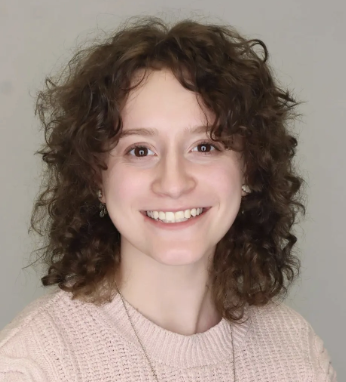
Sofia Berkowitz | Campus Sustainability Fund Committee Co-Chair, University of Washington Seattle
Sofia is majoring in Environmental Studies at the University of Washington. She is currently a senior completing her capstone on water law and is in her second year as CSF co-chair. She is the co-founder and co-President of the Sustainable Education Initiative, a student group working to improve sustainability education on campus.
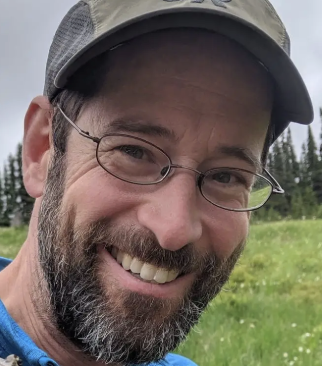
Tim Billo | Teaching Professor, University of Washington Environmental Studies Program
Tim’s teaching explores natural and cultural history, and the ways in which natural and cultural history are intertwined. The Union Bay Natural Area is an important field site for many of my courses and serves as a backdrop for lessons in cultural and natural history, as well as environmental philosophy and pedagogy. Tim’s research over the years has focused on birds and plants in urban and ex-urban settings in both temperate and tropical regions.
Stephan Classen | Assistant Director of Sustainable, Practices Cascadia College
Stephan Classen is the Assistant Director of Sustainable Practices at Cascadia College, where he manages the sustainability bachelor's program, supports facilities and grounds management for the permaculture campus. He was the Aquaculture Education Specialist for the Pacific Aquaculture and Coastal Resources Center (PACRC) in Hilo, Hawai`i, and worked in the environmental field in two other states. He received his Masters of Science in Conservation Biology at the University of Hawai`i at Hilo, and his Bachelors of Science in Environmental Science at the University of Arizona.
Ericka Colvin | Director of Sustainable Practice, Integrus Architecture
Ericka’s deep commitment to sustainability and equity is evident in her work as an architect designing meaningful, inclusive places in the public realm—and in leadership roles inspiring change, facilitating action, and promoting collaboration around sustainability and social issues. She regularly contributes sustainability-focused technical insight and strategies to improve the energy and carbon reduction benchmarks and equity outcomes of built projects. Her work also contributes to design of spaces that are safe and welcoming to people of all races, ethnicities, genders, and abilities.
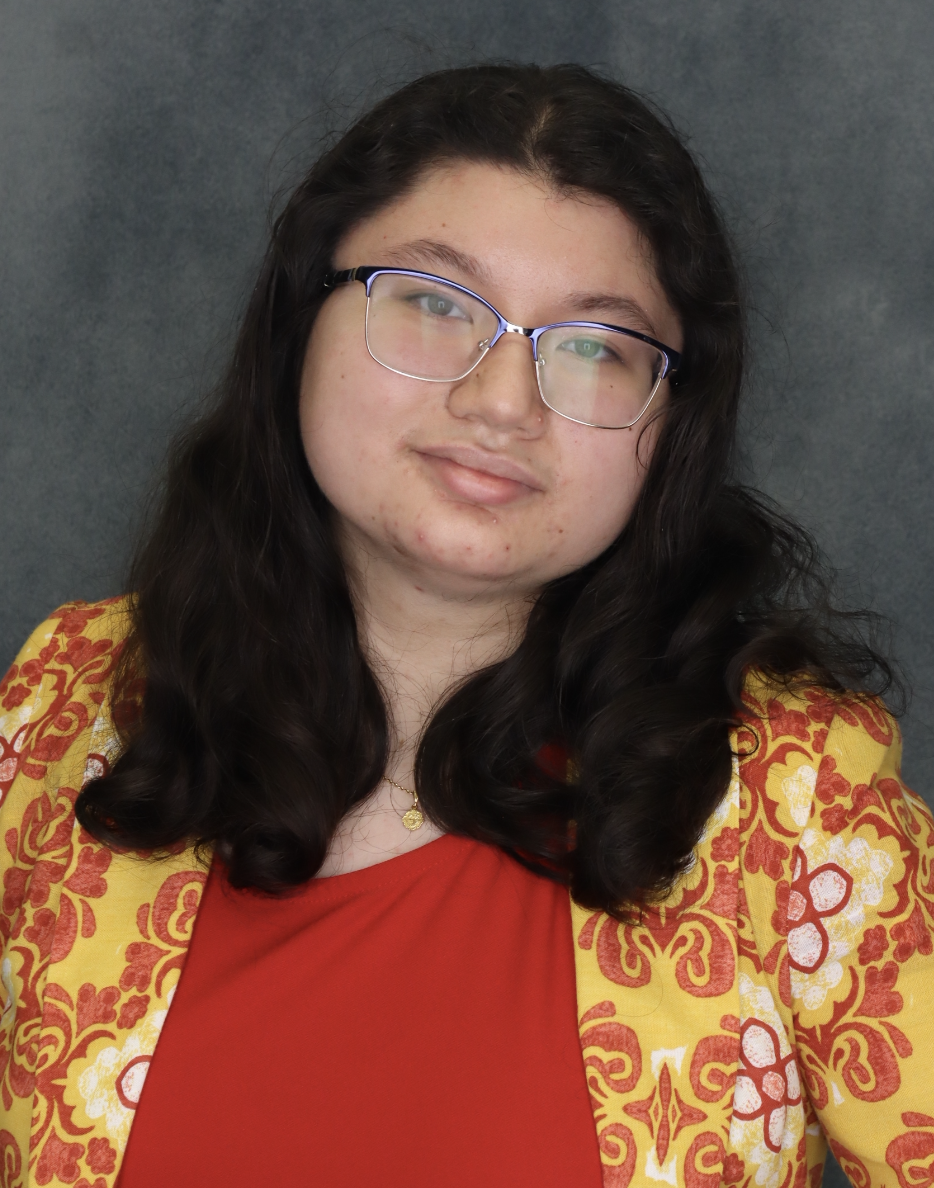
Linh Giakonoski | Sustainability Project Lead, Project Indoor Farm – University of Washington
Linh Giakonoski (they/them) is a first-generation undergraduate student at the University of Washington, Seattle. They are currently enrolled in the School of Public Health as a BA Public Health-Global Health major. They became involved in Project Indoor Farm during their first year at UW, being granted the title of "lettuce head" during WI25 and joining the officer team during SP25. Their interest in food systems and greater access to healthy produce drove their involvement within the farm, with them now leading maintenance sessions once a week. They are currently working towards improving the sustainability of the farm, namely through identifying environmentally friendly alternatives to peat moss plugs.
Sally Heilstedt | Dean of Instruction Lake, Washington Institute of Technology
Sally has served as the Dean of Basic and General Education at Lake Washington Institute of Technology (LWTech) for five years. In her role, she supports and leads collaborative efforts related to environmental sustainability across the college and the curriculum. She is also a doctoral student in the Ecology, Spirituality, and Religion program at California Institute of Integral Studies and a volunteer with the U.S. Forest Service based out of North Bend, WA. In each of these capacities, she finds great joy in connecting people with each other and with the rest of nature and encouraging greater reciprocity in our relationships.
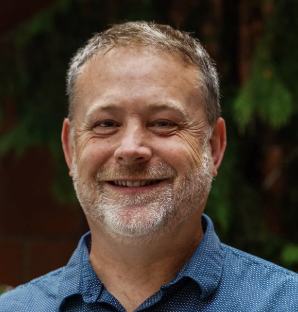
Jason Henry, LEED AP | Principal, Berger Partnership
As a principal at Berger Partnership, Jason has dedicated his career to advancing urban ecology and weaving ecological themes into the fabric of city life. His work on innovative, boundary-pushing projects across the region has established a practice recognized for creativity, integrated ecologies, and fostering meaningful connections between people and nature. Jason brings an encyclopedic knowledge of plant material and a deep passion for regenerative design. Over the past several decades, his expertise has shaped numerous projects within and around the Arboretum, leaving a lasting impact on its landscape and mission. He served on the University of Washington Botanical Garden (UWBG) board from 2010-2024. The UWBG manages the plant collections, research, and education at the Washington Park Arboretum.
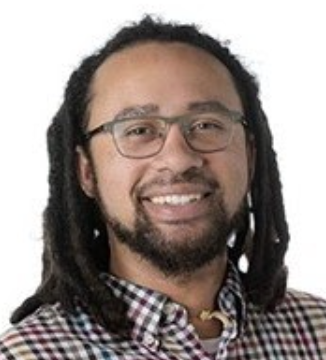
Michael Joseph | Assistant Director, The Evergreen State College
Michael Joseph (he/they) joined Evergreen in 2013 and has since worked to connect students, faculty, and community partners through sustainability projects that blend creativity, education, and real-world impact. With a passion for Solarpunk (a movement that imagines hopeful, sustainable futures rooted in equity and community resilience) Michael integrates this ethos into everything from campus initiatives to game-based learning. Michael enjoys creative problem-solving and exploring how games can serve as tools for learning, training, and collaboration—both in the workplace and the classroom. He is currently designing curriculum that integrates solo journaling, tabletop RPGs, and educational games into K–12 learning modules.
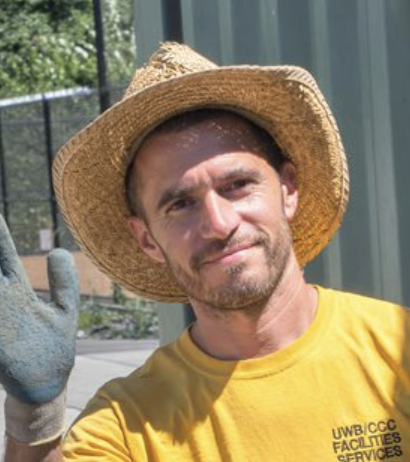
Tyson Kemper | Manager of Grounds and Wetland Operations, University of Washington Bothell
Tyson Kemper practices regenerative organic land care at the shared campus of University of Washington Bothell and Cascadia College. He came of age in the garden working for his father's small landscape business and later went on to earn a degree in Botany from the University of Washington and a Master's degree in Forest Resources from the University of Idaho. This collective education provided Tyson opportunities to wander, observe, and learn from the wild spaces of the Pacific Northwest while working as an environmental consultant and later as a rare plant botanist for the Washington Natural Heritage Program. Tyson has since come full circle and found his place beside the buttercups in the garden again.

Maddy Laoprasert | Associate Program Director, Campus Sustainability Fund, University of Washington
Within her professional journey, Maddy has had the privilege of leading environmental justice programs rooted in gratitude, reciprocity, community care, cultural heritage, and sustainability. Maddy's work has been focused on celebrating and uplifting the voices of BIPOC and frontline communities, whose deep-rooted knowledge have long offered holistic and interconnected perspectives on sustainability. Maddy has worked alongside communities to develop initiatives that prioritize sustainability and justice, engaging in collaborative projects, educational programming, and conversations that center the voices and experiences of marginalized groups. Maddy's goal is to support communities in reclaiming their narratives and create spaces that nurture resilience, healing, and well-being at the core of the environmental justice movement. At the Campus Sustainability Fund, Maddy builds meaningful relationships with students and partners, understands sustainability through multiple lenses, and learns from the innovative projects students bring, hoping to help create a campus culture where justice and sustainability are fully intertwined, sparking collective action across the university for a more equitable and sustainable future.
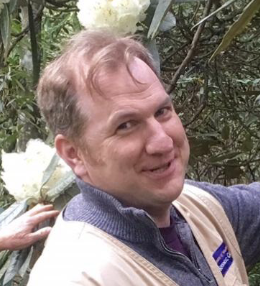
Raymond J. Larson, M.S. | Associate Director, Curator of Living Collections and the Otis Douglas Hyde Herbarium, University of Washington Botanic Garden
Ray Larson has been associated with University of Washington Botanic Gardens for nearly 30 years and Curator of Living Collections since 2012. He is currently also Curator of the Hyde Herbarium and Associate Director. Ray is responsible for collections and garden planning for the 230-acre Washington Park Arboretum and the 90-acre Center for Urban Horticulture.

Karolyn Maeda | Outreach and Connections Coordinator - Campus Sustainability Fund, University of Washington
Storytelling and fruit trees are woven into Karolyn's journey towards environmental justice work. Growing up with generational ties to the North Shore of Oʻahu, Karolyn's grandparent's Japanese-American community, she was surrounded by the values of Mālama 'Āina, compassion, and social justice, inspiring my understanding of sustainability. As Outreach and Connections Coordinator, Karolyn amplifies the mission of CSF by integrating love for art into creative approaches to uplift student-led efforts and intersectional narratives to sustainability at UW. She is excited to continue learning from others and build connections rooted in reciprocity and hopes to facilitate community-led events and partnerships across campus with shared goals of justice-centered action, wellness, and joy. At UW, Karolyn is studying Environmental Science and Resource Management with a minor in Urban Ecological Design. She is interested in exploring the intersection of ecological restoration and stewardship to engage community and climate resilience. In gratitude to the lands, people, and stories that nurtured my commitment to sustainability, Karolyn stands in solidarity with BIPOC and Indigenous-led communities at the forefront of the environmental movement.
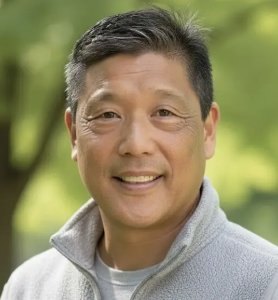
Howard Nakase | Grounds Management, Manager Facilities / University of Washington
Howard Nakase has served as the Grounds Management and Building Envelope Manager for UW Facilities since 2009. His teams are responsible for the campus landscape, urban tree canopy, roads and pathways, and water distribution and stormwater systems. Guided by Integrated Pest Management (IPM) and Salmon Safe principles, they take a sustainability-first approach to caring for the university’s outdoor environment. Previously, Howard worked in the golf course management industry, where he focused on ecological restoration and the development of native wildlife habitats. He attended Cal Poly San Luis Obispo and Rutgers University, earning a Bachelor of Science in Plant Science.
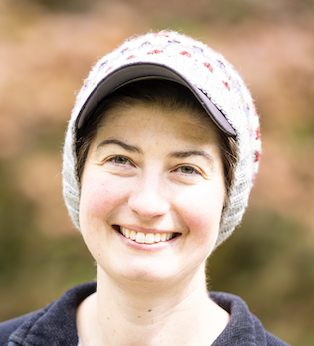
Joanna Long | Manager of Horticulture, Washington Park Arboretum
Joanna Long is the Manager of Horticulture at the Washington Park Arboretum. She manages the team of UW Botanic Gardens Arborists and Horticulturists who care for the trees and plants in the Arboretum and works closely with the staff of UWBG partner organizations, the Seattle Parks Department, and the Arboretum Foundation.

Lorenzo McCleese | Grant and Project Coordinator - Campus Sustainability Fund, University of Washington
Lorenzo is a second-year student at the University of Washington studying Environmental Science and Informatics, with a minor in Diversity. Lorenzo's academic and personal passions lie at the intersection of research, environmental justice, and inclusive outreach. As the Grant and Project Coordinator, Lorenzo aspires to support active and prospective project teams throughout the grant process, from application to implementation and long-term success. Lorenzo aims to cultivate a community of on-campus partners and resources, focusing on empowering project leaders who are advancing justice-centered sustainability with research experience within anthropogenic pollution and climate change through data science. Lorenzo is currently conducting research with NOAA, using quantitative methods to analyze oral histories to study the effects of climate change in the Bering Sea. Outside of research, Lorenzo is an officer for the Program on Climate Change Undergraduate Cohort, a Brotherhood Initiative PeerMentor, and an Undergraduate Research Leader.

Robert Smith | Architect, LMN Architects
Robert Smith is an Architect and one of LMN's firm experts on Progressive Design-Build, Integrated Project Delivery, and Low-Carbon Construction. Robert led the design team for two recent low carbon mass timber academic buildings, including Founders Hall at the University of Washington and the Undergraduate Academic Building at UC Berkeley.
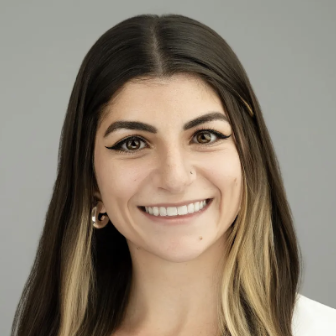
Marlee Theil | IPM & Sustainability Coordinator, UW Facilities Maintenance & Construction
Marlee Theil is a PhD student in the School of Environmental and Forest Sciences and serves as the Integrated Pest Management and Sustainability Coordinator for UW Grounds Management. In this role, she guides restoration and vegetation management of UW's natural landscapes, translating ecological science into actionable strategies that promote resilience, pest prevention, and long-term sustainability. She leads campus-wide sustainability initiatives, including the Salvage Wood Program, which repurposes wood from trees removed for safety or infrastructure projects, and the Cherry Tree Phenology Project, which monitors blossom timing to track climate-driven shifts in seasonal patterns. Alongside her campus work, Marlee's forest ecology research examines the multi-century history of insect outbreaks in Pacific coastal temperate rainforests, providing historical context that informs adaptive management under climate change. She is passionate about connecting research, sustainability, and land management to support healthier ecosystems. In her free time, she enjoys hiking, paddle boarding, practicing yoga, and spending time with her cat.
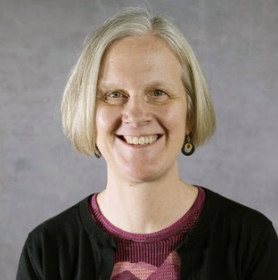
Sara Wilder | Project Manager, Integrus Architecture
Sara Wilder is dedicated to the creation of dynamic public spaces and sustainable, enduring higher education buildings that enhance student learning and enrich the campuses on which they reside. Her background as a skilled Architectural Project Manager over the past 20 years includes working with stakeholders and organizing complex program requirements, especially within the education and historic preservation arenas. Experienced in all phases of design, she has helped develop and update master plans for several community and technical colleges, and has assisted in capital budget planning, securing funding for future campus development. She earned a Master of Architecture at University of Washington and is active in the Design Build Institute of America (DBIA).
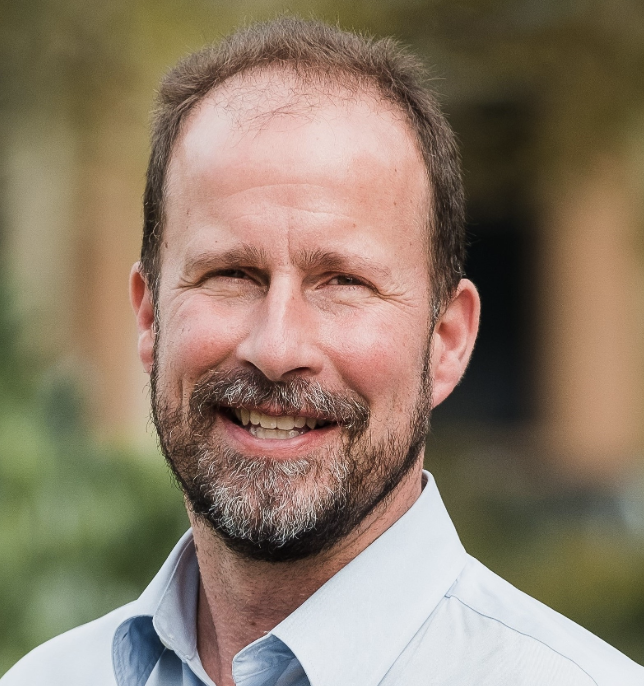
David Woodson | Executive Director of Campus Energy, Utilities & Operations, University of Washington
David Woodson is the Executive Director of Campus Energy, Utilities & Operations at the University of Washington and is leading the effort to decarbonize the district heating system at the flagship Seattle campus. David had a similar role at the University of British Columbia (UBC) and is enjoying the opportunity to apply the lessons learned from UBC at UW. David is a UW Alum (Aero and Astro ‘91) and holds an MBA ‘06 from UBC. David is presently the Vice-Chair of the International District Energy Association (IDEA).
Poster Presenters
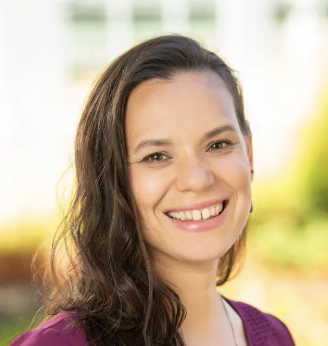
Julie Bradshaw | Multifamily Senior Architect, Mackenzie
Julie Bradshaw, NCARB, LEED AP BD+C, GGP, and CPHC, is a Senior Associate and licensed architect at Mackenzie with over 20 years of experience in architecture and sustainable design. She leads the firm’s multifamily market sector and plays a key role in growing its education practice, advancing sustainability through student housing projects, and strategic partnerships with institutions such as Oregon State University.
Nicole Devine | Student, South Seattle College
Nicole Devine is a nontraditional student whose career path reflects a strong integration of creative practice and scientific inquiry. Trained originally as a fine artist, her curiosity about material behavior led her from the studio to the laboratory and ultimately into environmental engineering. Her interdisciplinary academic work spans chemistry, ceramics, and environmental engineering, where she has contributed to research on material transformation and environmental impact. Drawing on her artistic background, Nicole brings creativity, adaptability, and precision to scientific problem-solving. She is now focused on developing sustainable, resilient solutions at the intersection of material science and natural ecosystems, with the goal of supporting healthier communities and a more sustainable future.
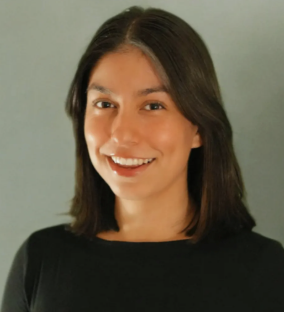
Camila Flores Sánchez | International Business Management Student & Emerging Sustainability Researcher, University of Minnesota
Camila Flores Sánchez is a Chilean International Business Management student and emerging sustainability researcher at the University of Minnesota. Her work centers on regenerative governance, ethical leadership, and the connections between sustainability and human well-being. She studies how shared power, balanced decision-making, and community-centered leadership can strengthen ecological resilience, social equity, and long-term quality of life. Camila's academic background bridges sustainability, global policy, ethics, and business, allowing her to examine sustainability as a systemic, cultural, and organizational issue. With experience in both the financial sector and nonprofit work, she aims to contribute to research and policy approaches that promote regeneration, equity, and responsible leadership across diverse contexts.
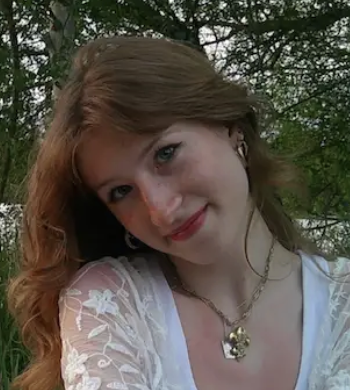
Clara Kreutziger | Campus Sustainability Fund Committee Co-Chair, University of Washington, Seattle
Clara Kreutziger is a senior at the University of Washington, Seattle, studying Marine Biology and Ecological Restoration within the Interdisciplinary Honors Program. Her academic and professional work focuses on marine conservation, ecological monitoring, and restoration, with a strong emphasis on science communication, environmental justice, and equitable research practices. With over seven years of experience in the non-profit environmental sector, she brings a background in fieldwork, data collection and analysis, grant-making, and interdisciplinary collaboration. She is particularly passionate about the restoration and resilience of marine ecosystems, as well as advancing accessible, community-engaged approaches to environmental research and policy.
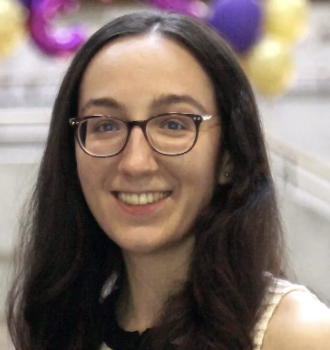
Anna Malesis-Dahm | PhD Candidate, Urban Ecology Research Lab, University of Washington Department of Urban Design and Planning
Anna is a PhD Candidate in the Urban Ecology Research Lab at the University of Washington College of Built Environments. Her research interests include scenario planning, urban complexity, landscape ecology, climate adaptation, urban eco-evolutionary dynamics, and planning for both people and nature. She is also pursuing a Graduate Certificate in Climate Science.
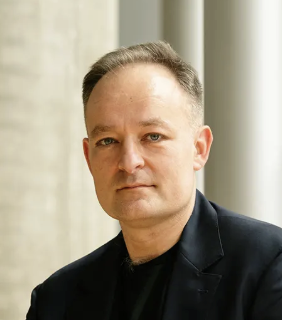
Vlad Pajkic | Partner, ZGF Architects
Vladimir Pajkic has extensive international experience envisioning and executing high-profile projects across a variety of building typologies, with an emphasis on research buildings for both academic and private clients. He has also led the design on mixed use, urban design, master planning, museums, high-rise, and hospitality projects. Vladimir joined ZGF following over a decade with Herzog & de Meuron, where as a partner, his experience includes projects in North America, Asia, and Europe. Originally from Croatia, Vladimir earned a Bachelor of Architecture from Cornell University and a Master of Architecture from Princeton University, with studies abroad in China, Rome, and Scandinavia. He is a recipient of numerous academic awards and fellowships and has lectured at universities across Europe, North and South America.
 © 2026 | Event by Social Enterprises, Inc.




PO BOX 31039
Portland, OR 97231
Office | 503.226.2377
Toll Free | 1.855.740.8417